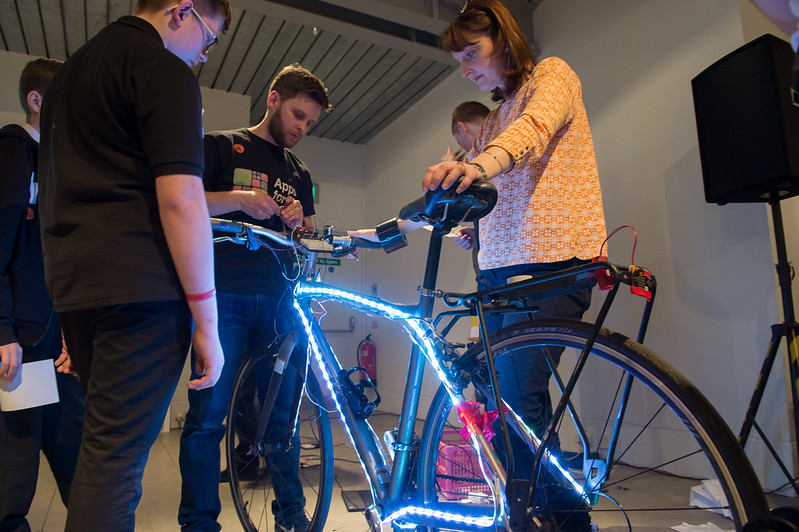
We’ve been keeping a BIG secret! It’s time to spill the beans…
May 21, 2026
Our Work

We’re excited to share the news with you - AI for Good 2.0 launches in August 2026! We’ve been listening to your feedback and to what’s happening in the wider education space and the world of work. Love it or loathe it, AI is increasingly present in young people’s lives, and their future jobs.
15 Years of Impact - What’s Next for Apps for Good?
Dec 17, 2025
Our Work

As Apps for Good marks its 15th anniversary, we reflect on our journey, the students and partners who’ve shaped our impact, and our ambition to equip every young person with the skills, confidence and agency to thrive in a rapidly changing world.
Meet Our Three New Trustees
Apr 27, 2026News
From Student Innovator to Accenture Architect
Apr 20, 2026Our Work
Apps for Good Showcase 2026: Meet Our Inspiring Category Supporters
Apr 20, 2026News
Beyond the Tool: Embracing AI as a Teammate in the Classroom
Apr 02, 2026Our Work
Don’t miss your chance to enter Showcase 2026
Mar 24, 2026Our Work
Beyond the Code: Building Essential Skills at The Judd School
Mar 12, 2026Our Work
Connecting Young People With Industry to Shape the Future of Tech
Mar 09, 2026Our Work
Connecting Classrooms and Careers Through Industry Engagement
Mar 02, 2026Our Work
Bringing Learning to Life Through Industry Engagement at Apps for Good
Feb 23, 2026Our Work
Cellnex Joins the 2026 Apps for Good Showcase
Feb 13, 2026News
5 Reasons to Deliver Apps for Good as an Extra-Curricular Club
Feb 02, 2026Our Work
5 Benefits of Industry Engagement
Jan 29, 2026Our Work
How The St Marylebone CE School empowered Year 8 girls to use tech for good
Oct 09, 2025Our Work
Meet our Apps for Good Fellows
Oct 09, 2025Our Work
The future of tech education: how we work with our Apps for Good Fellows
Oct 09, 2025Our Work
Sathish's Story
Sep 17, 2025Our Work
Emma's Story
Sep 17, 2025Our Work
Otto’s Story: How Social Innovation in Childhood Sparked Future Career Ambitions
Sep 17, 2025Our Work
Real Skills, Lasting Impact: Alumni Student Voices from Putteridge High School
Sep 17, 2025Our Work
Matt’s Story: Applying Early Lessons to Real-World Engineering
Sep 17, 2025Our Work
Lasting Confidence and Connections: Alumni Voices from Denbigh High School
Sep 17, 2025Our Work
Impact Report 2024/25: The SkillSphere Story
Sep 17, 2025Our Work
Impact Report 2024/25: Encouraging Independent Learning
Sep 17, 2025Our Work
Impact Report 2024/25: The Skills That Matter
Sep 17, 2025Our Work
Zoe's Story
Sep 17, 2025Our Work
Mohima's Story
Sep 17, 2025Our Work
Impact Report 2024/25: Reflections from Natalie Moore, CEO of Apps for Good
Sep 17, 2025Our Work
David's Story
Sep 17, 2025Our Work
Impact Report 2024/25: The Long Term Impact of Apps for Good
Sep 17, 2025Our Work
Vibha's Story
Sep 17, 2025Our Work
Ania, Martyna, Summer and Madieson's Story
Sep 17, 2025Our Work
Rokhaya, Haajar and Seher's Story
Sep 17, 2025Our Work
Syeda and Shikha's Story
Sep 17, 2025Our Work
Iesha and Shannon's Story
Sep 17, 2025Our Work
Manreet, Pahulpreet, Tia, Alexis and Zarrah's Story
Sep 17, 2025Our Work
Zakariya's Story
Sep 17, 2025Our Work
Steve's Story
Sep 17, 2025Our Work
Hasnain, Humza, Sohidul and Mahdi's Story
Sep 17, 2025Our Work
Bob's Story
Sep 17, 2025Our Work
Student Voices from Cedars Upper School - A Showcase Success Story
Sep 08, 2025Our Work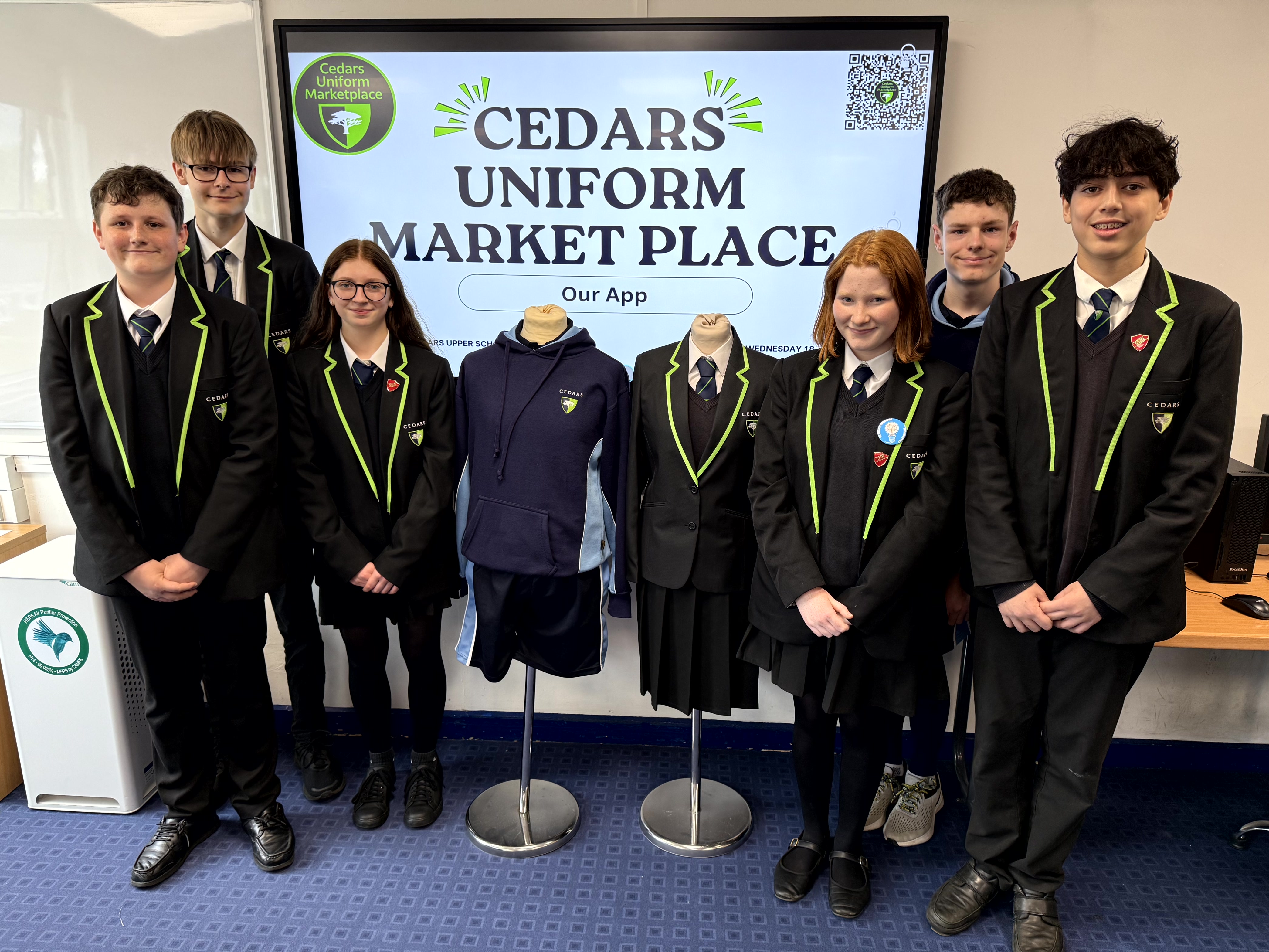
Showcase 2025 - The BIG Announcement!
Jun 25, 2025News
Introducing our Showcase 2025 Categories and Supporters!
May 14, 2025News
Apps for Good's use of X
Apr 09, 2025News
4 ways to support Apps for Good to benefit more young people
Apr 03, 2025Our Work
A date for your diary!
Mar 27, 2025Our Work
The importance of careers education and meeting Gatsby Benchmarks
Mar 19, 2025Our Work
Connecting students and school leaders with industry through our Career Series
Mar 19, 2025Our Work
How students are exploring AI with AI for Good
Mar 14, 2025Our Work
Unlock the power of Industry Engagement in your classroom
Jan 09, 2025Our Work
Our best bits from 2024
Dec 16, 2024Our Work
App for Social Action at Dunoon Grammar School
Dec 04, 2024Our Work
5 reasons why your feedback counts!
Dec 03, 2024Our Work
Apps for Good becomes an International Partner of Code.org
Nov 25, 2024News
Elevating student voices at Apps for Good
Nov 15, 2024Our Work
Inspiring future changemakers through Innovate for Climate Change
Oct 23, 2024Our Work
Impact Report 2023/24: A message from our CEO
Oct 03, 2024Our Work
Impact Report 2023/24: Encouraging independent learning
Oct 02, 2024Our Work
Our Theory of Change
Oct 02, 2024Our Work
How industry engagement benefits a Multi Academy Trust
Oct 02, 2024Our Work
Impact Report 2023/24: Inspired by industry
Oct 02, 2024Our Work
Impact Report 2023/24: The skills that matter
Oct 02, 2024Our Work
Looking forward to 2024/25
Oct 02, 2024Our Work
Impact Report 2023/24: Inspiring careers in tech
Oct 02, 2024Our Work
A walk through Apps for Good's course resources
Aug 15, 2024Our Work
Why teach AI for Good?
Aug 14, 2024Our Work
10 reasons why teachers need to deliver Apps for Good’s latest courses
Jul 31, 2024Our Work
Innovate for Climate Change at Countesthorpe Academy
Jun 25, 2024Our Work
Showcase 2024 - The BIG Announcement!
Jun 20, 2024News
Girls in ICT Day - How can we achieve greater diversity in technology?
May 30, 2024Our Work
Looking for Showcase inspiration?
Apr 15, 2024Our Work
Introducing our Showcase 2024 Categories and Sponsors!
Mar 04, 2024News
Why Independent Learning is the Way Forward for Teachers and Students
Mar 04, 2024Our Work
Meet the Teacher - Fraser Christie
Feb 13, 2024Our Work
Our 2023 highlights!
Dec 19, 2023Our Work
Supporting young people in the North of England with Northern Consortium
Dec 19, 2023News
Thank you to the Garfield Weston Foundation
Dec 18, 2023News
The Spectris Foundation supports App for Social Action
Dec 12, 2023News
What does the Apps for Good journey look like?
Nov 29, 2023Our Work
Partnering with the PA Foundation
Nov 28, 2023News
Making computing more meaningful through independent learning
Oct 30, 2023Our Work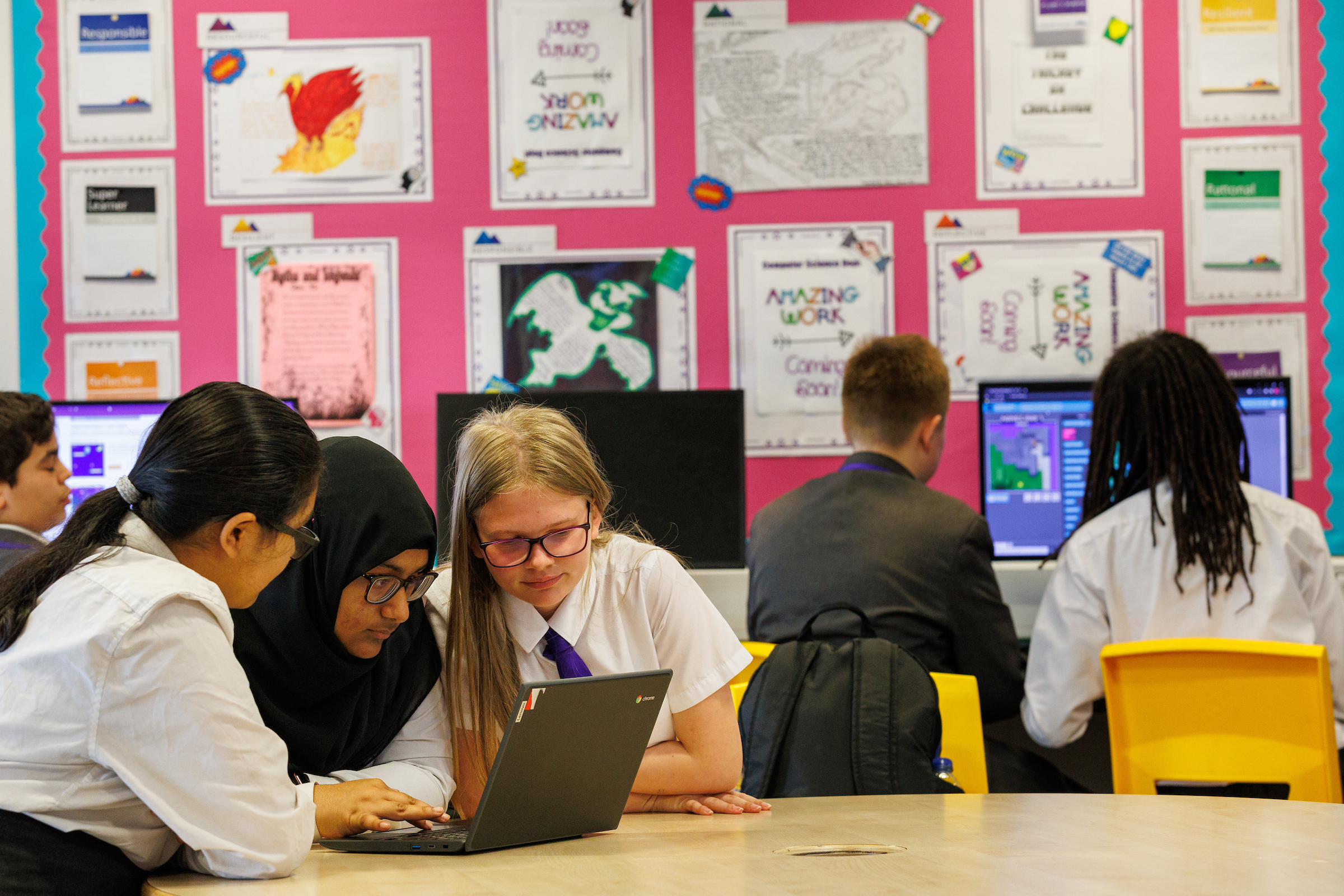
Our impact journey continues in 2024
Oct 30, 2023Our Work
2023 in focus - Climate Change and Digital Innovation
Oct 30, 2023Our Work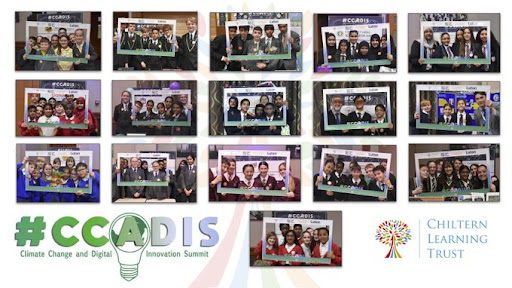
Students leave the classroom "ten feet tall" thanks to Industry Volunteers
Oct 30, 2023Our Work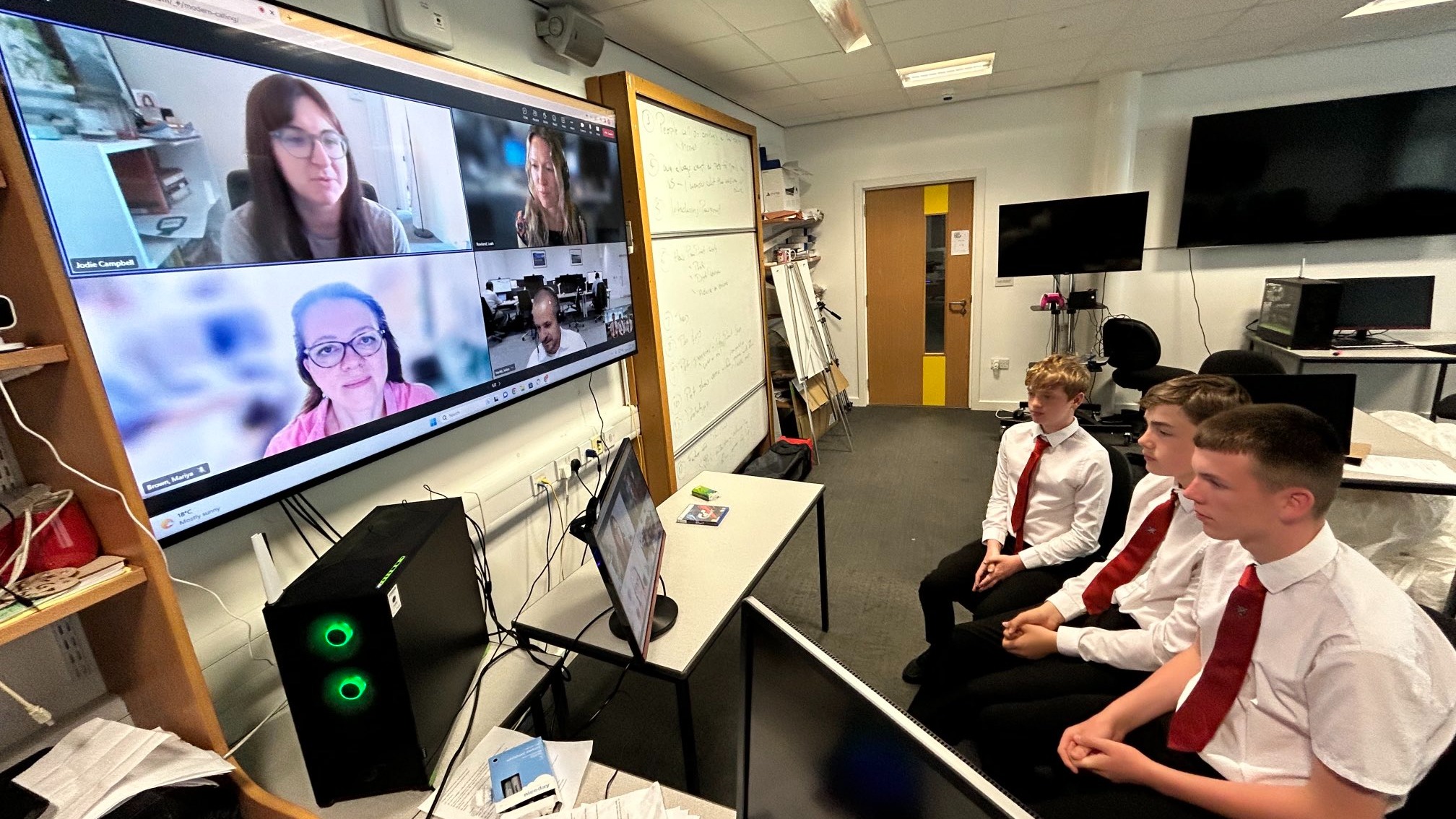
How young people are developing the skills they need to thrive
Oct 30, 2023Our Work
Our 2023 Impact Journey
Oct 30, 2023Our Work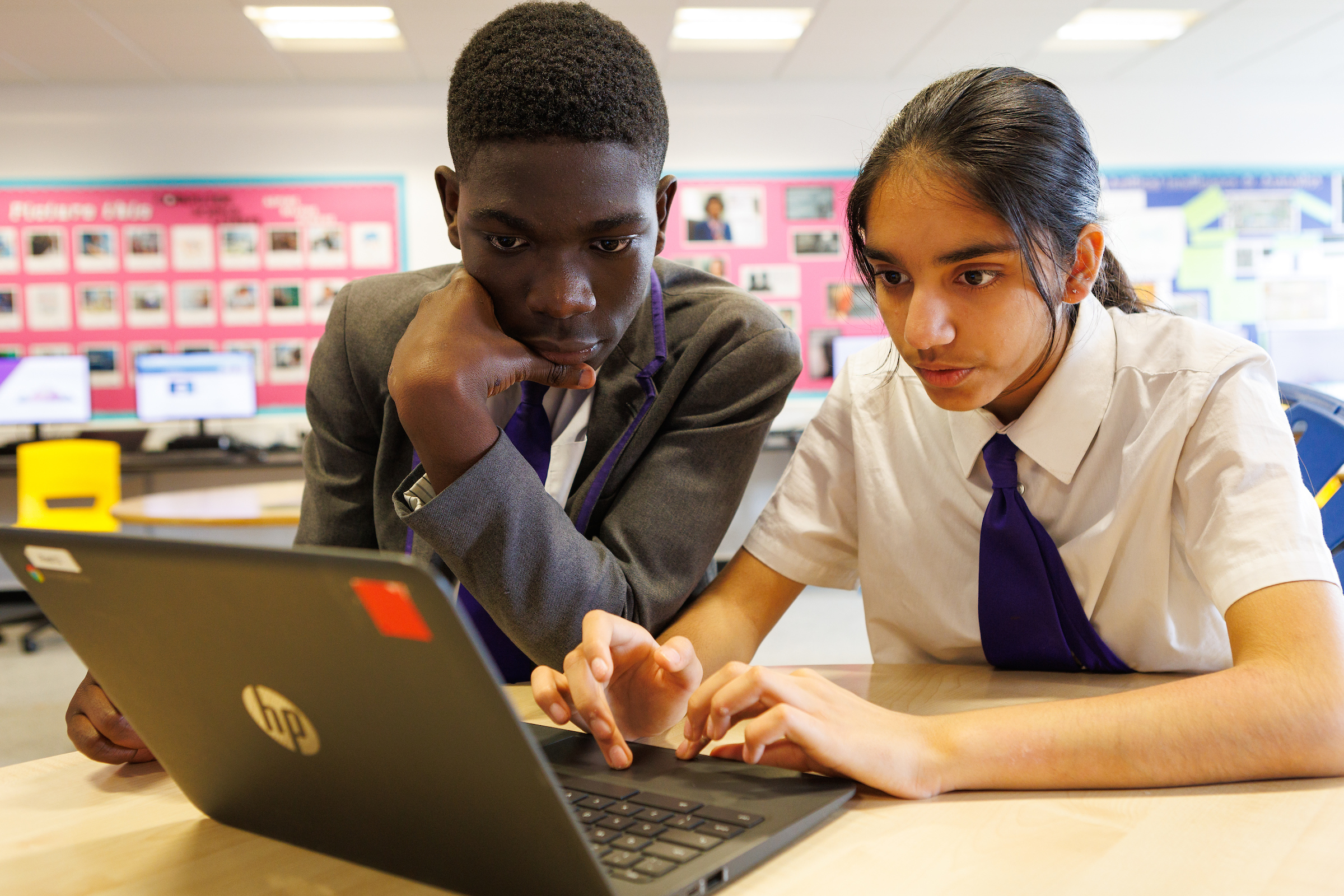
Why digital and essential skills are the foundation of young peoples' futures
Oct 30, 2023Our Work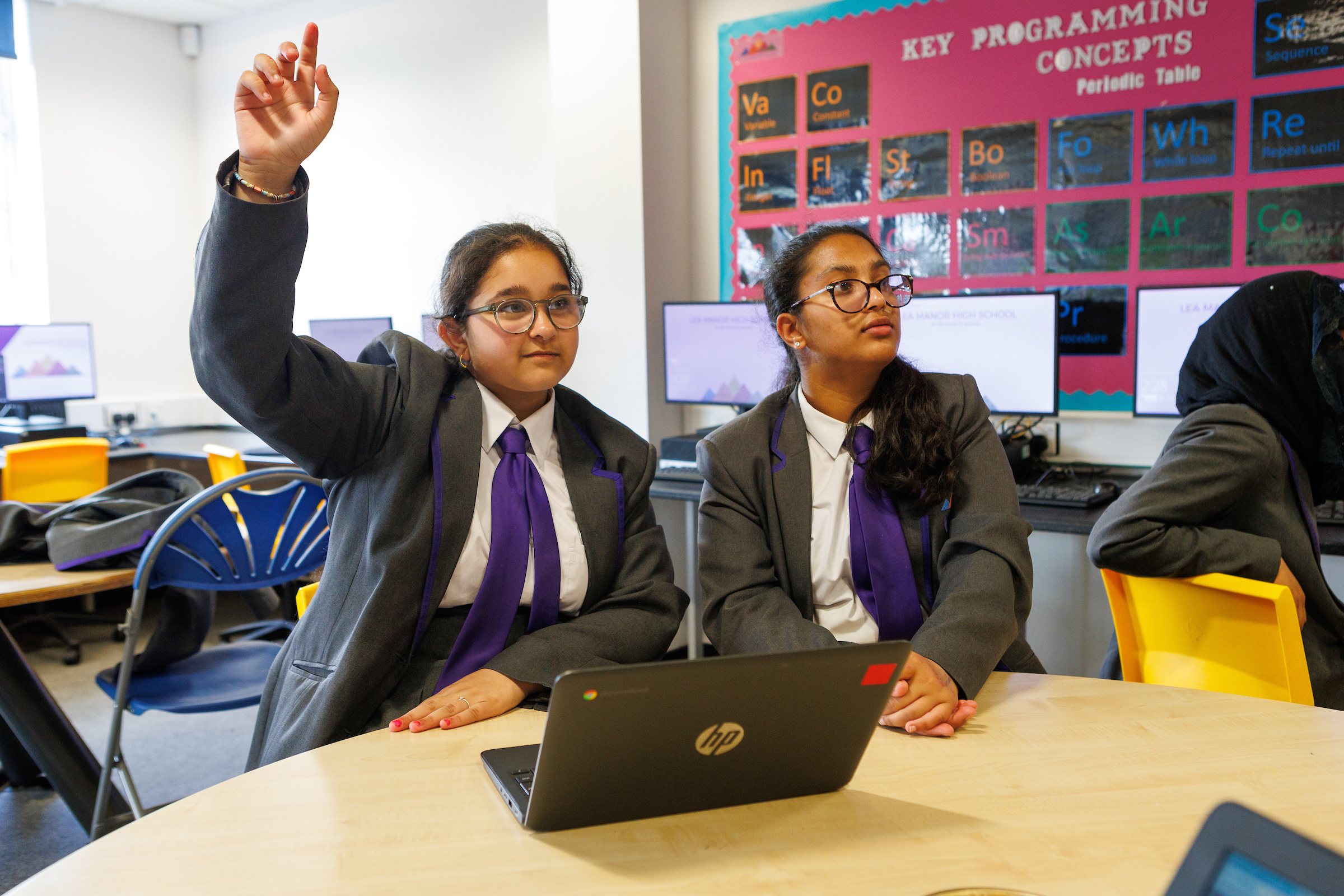
Inspiring student changemakers through Industry Volunteering
Oct 30, 2023Our Work
Launching App for Social Action with The Hg Foundation
Oct 12, 2023News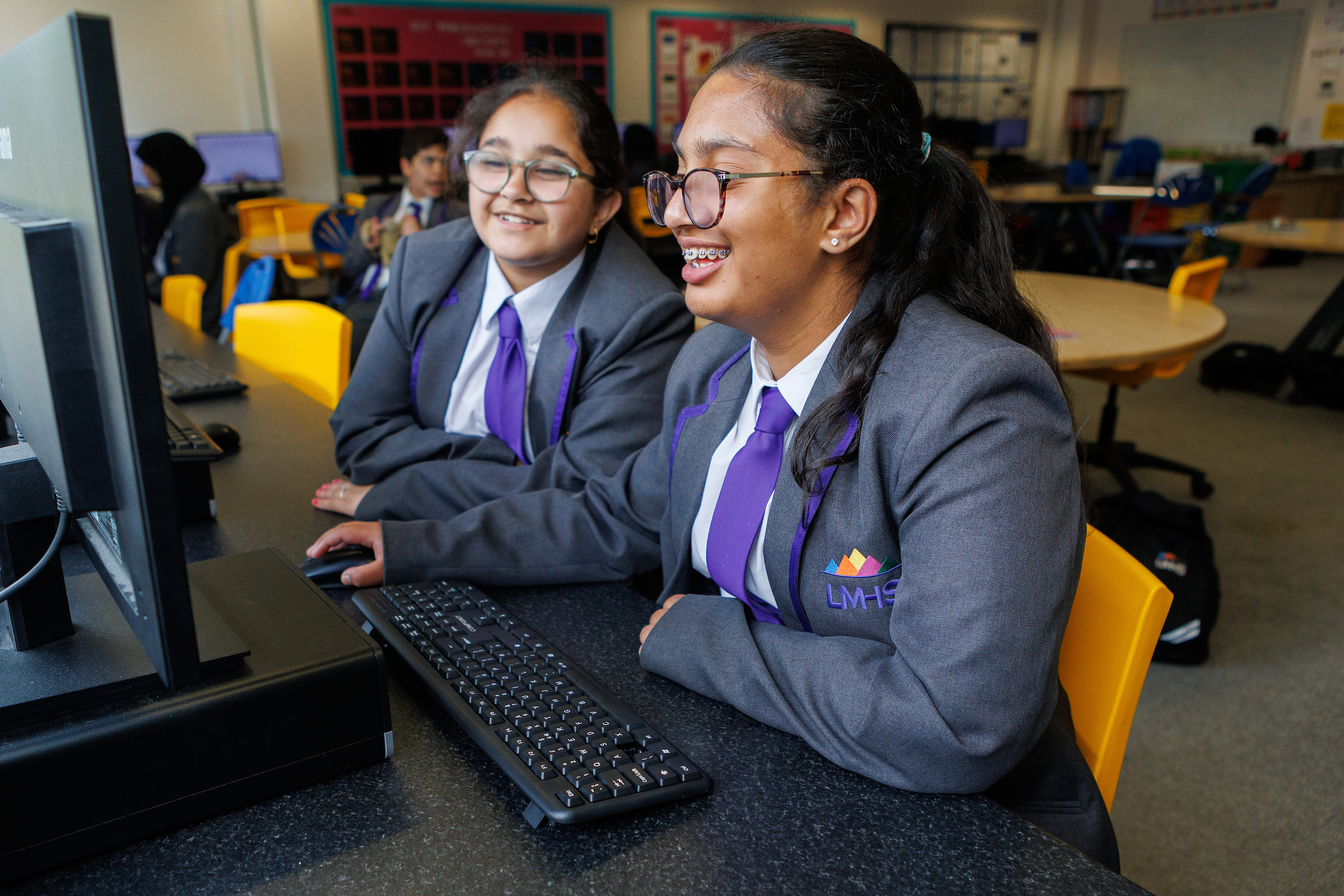
10 reasons to teach Apps for Good in your school
Sep 28, 2023Our Work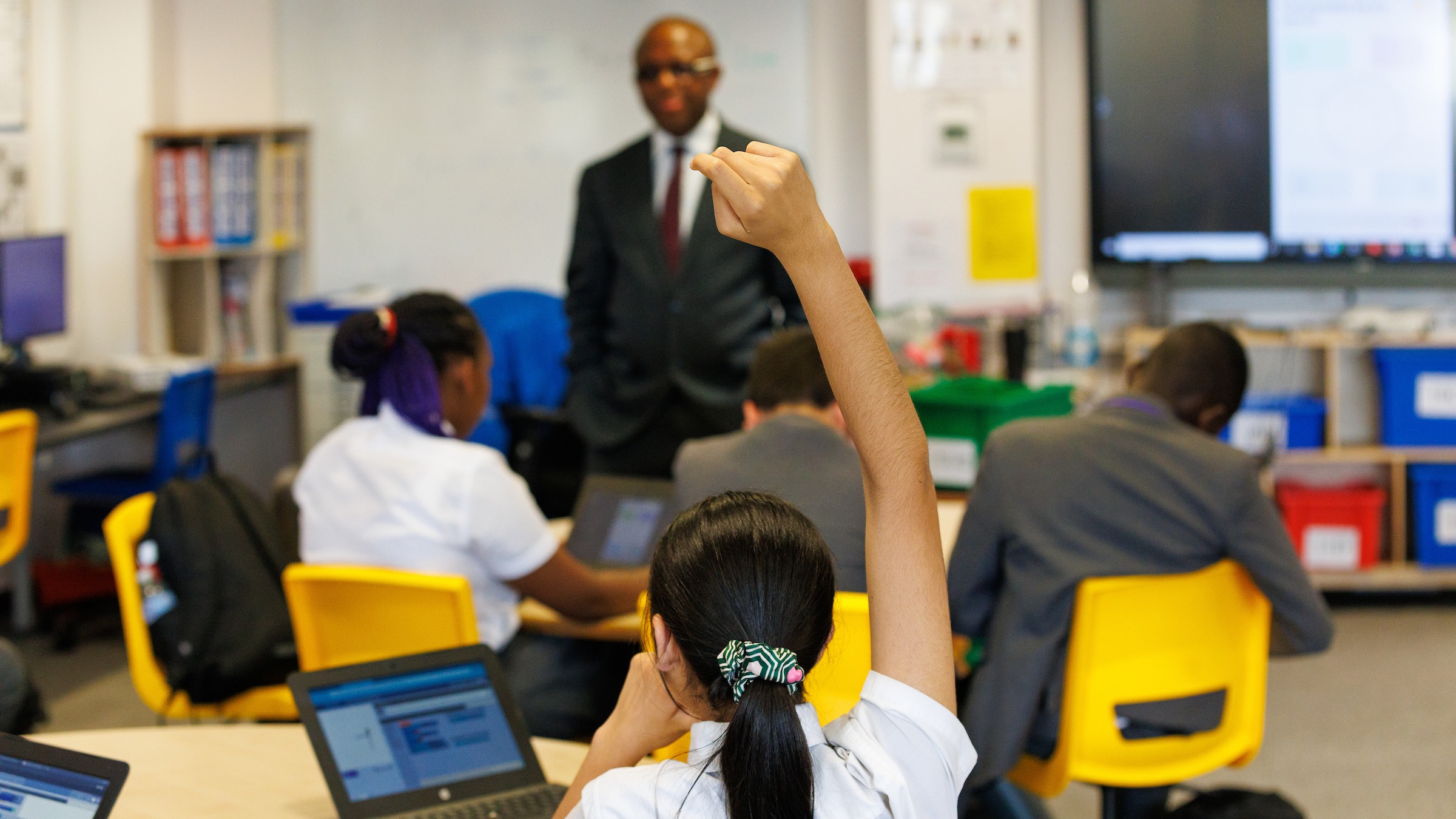
Google supports student ideation and climate action
Sep 18, 2023Our Work
Why learn about social good?
Aug 17, 2023Our Work
2023 Showcase - The BIG Announcement!
Jun 15, 2023News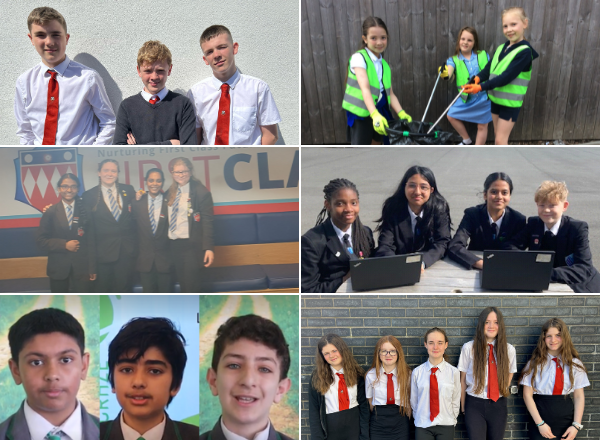
Q & A with an Apps for Good Industry Expert Volunteer
May 25, 2023Our Work
Meet the team: Say hello to Kathy, our new Education Community Manager
May 15, 2023News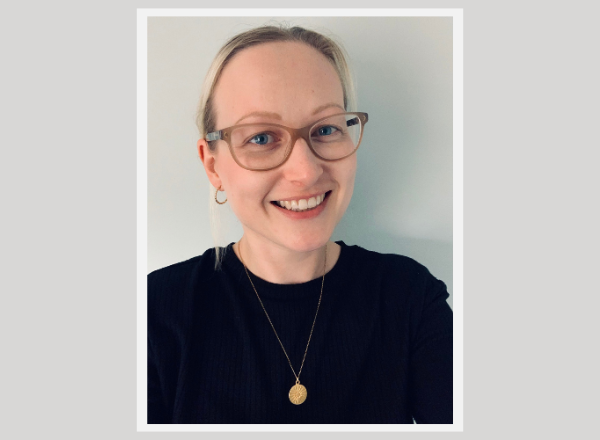
Five new Trustees enrich the work of Apps for Good
Apr 06, 2023News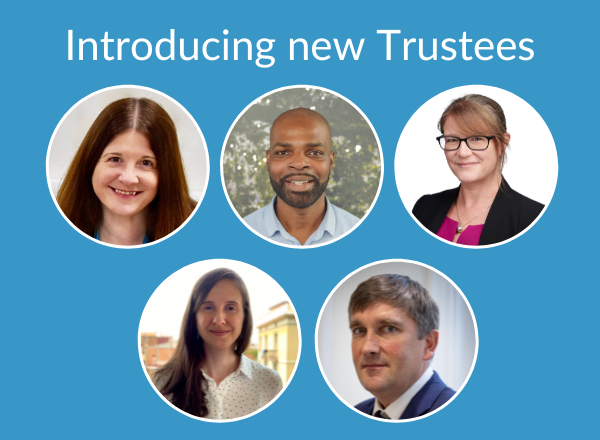
Celebrating women in tech!
Mar 08, 2023Our Work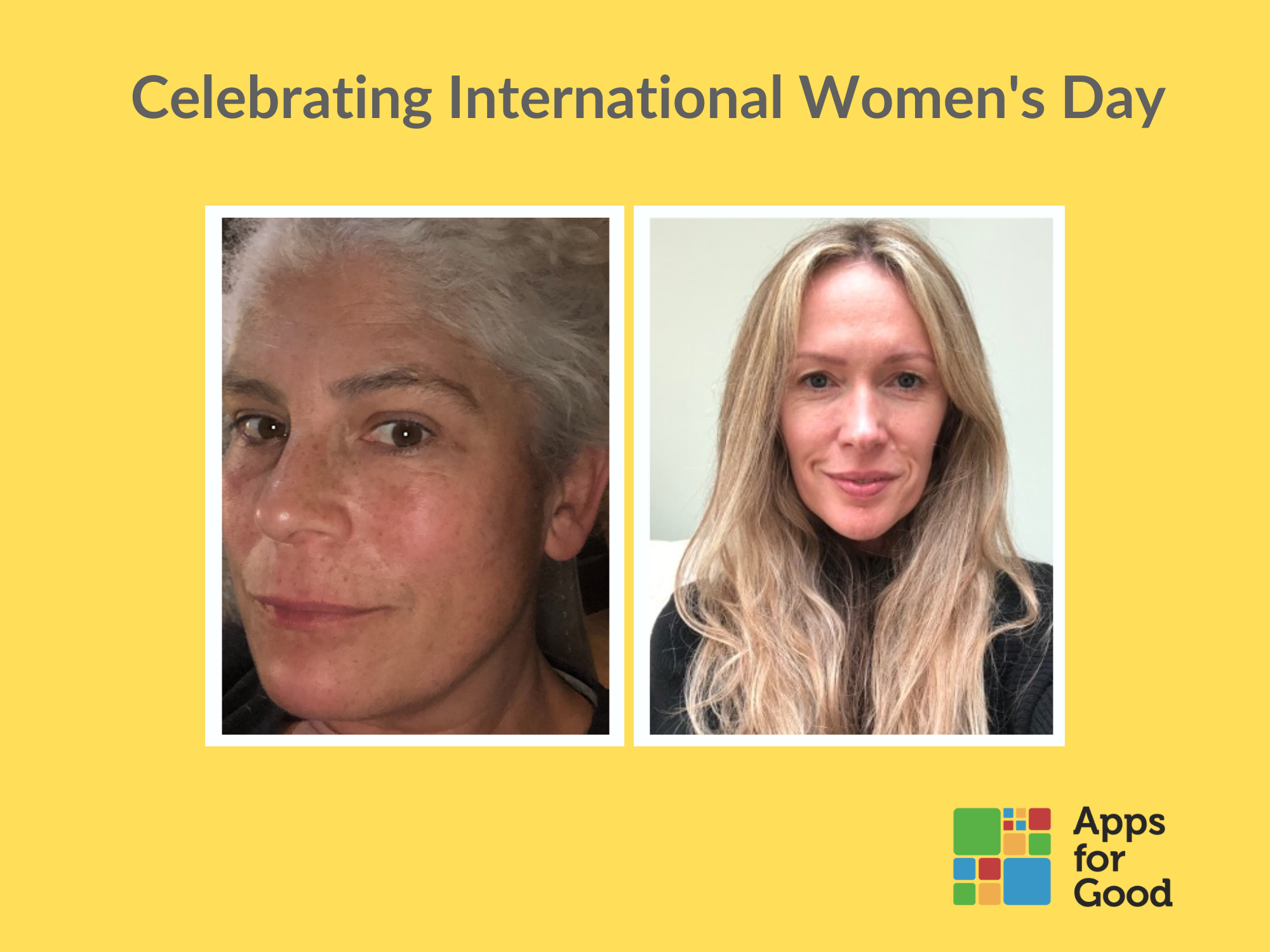
Introducing our Showcase 2023 Categories and Sponsors!
Mar 06, 2023News
10 ways young people can take social action with our new Youth Ideation Toolkit
Feb 09, 2023Our Work
‘Bringing the Learning to Life’ through the power of partnerships
Jan 09, 2023Our Work
2022 in focus: Collaborating to prepare young people for a greener future
Jan 09, 2023Our Work
Our 2022 Impact Journey
Jan 09, 2023Our Work
How student-driven learning encourages greater engagement in computing
Jan 09, 2023Our Work
Why skills matter to your students' future
Jan 09, 2023Our Work
Making an impact in 2023
Jan 09, 2023Our Work
Students tell us about the importance of essential skills
Nov 17, 2022Our Work
Reaching more students with OVO Foundation
Nov 17, 2022News
All you need to know about being an Apps for Good Expert Volunteer
Nov 17, 2022Our Work
Apps for Good partner, Dunoon Grammar School wins World’s Best School Prize!
Nov 09, 2022News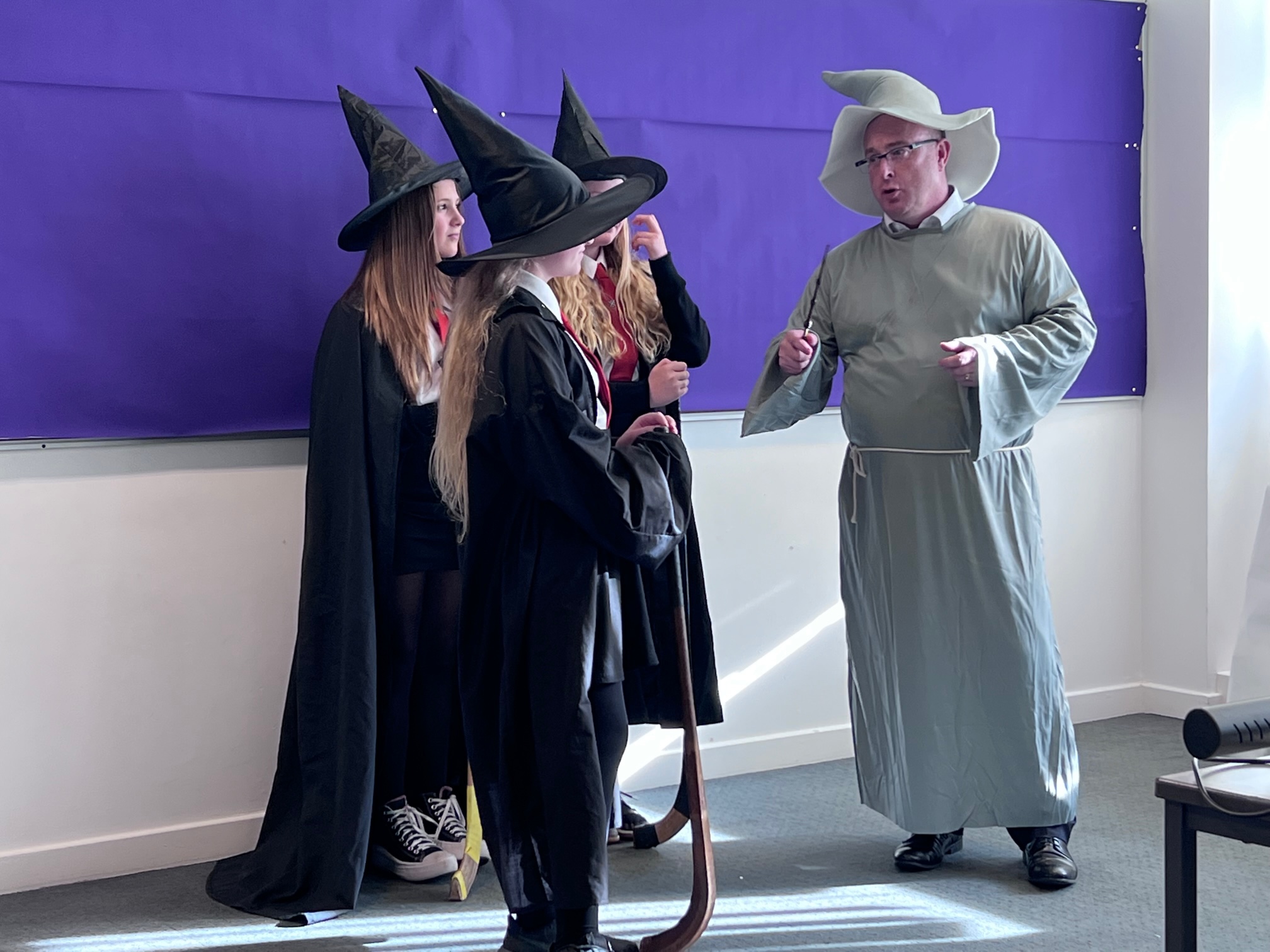
Apps for Good partners with DeepMind to help tackle the gaps in STEM education
Sep 26, 2022News
Meet the team: Say hello to Georgie Packer!
Sep 22, 2022NewsScotland's Curriculum for Excellence and Innovate for Climate Change
Sep 13, 2022Our Work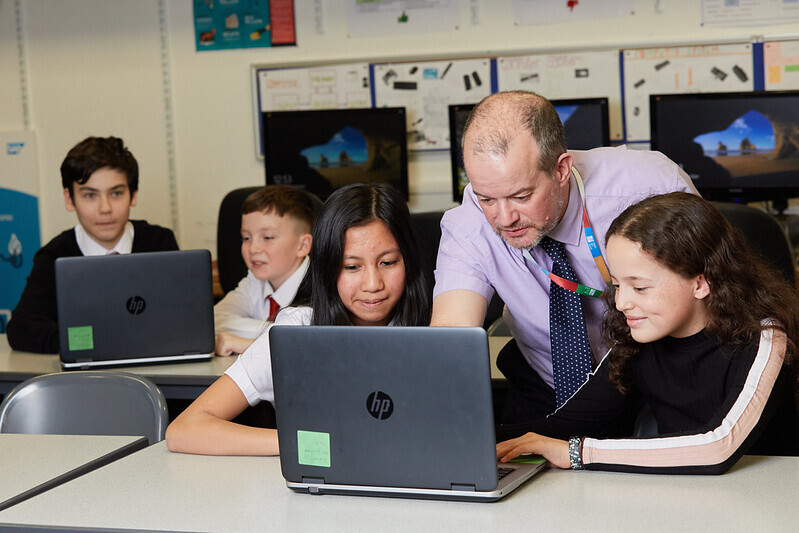
Five ways Innovate for Climate Change supports the new Curriculum for Wales
Sep 07, 2022Our Work
Make way - the next generation of climate-tech innovators have arrived!
Aug 23, 2022Our Work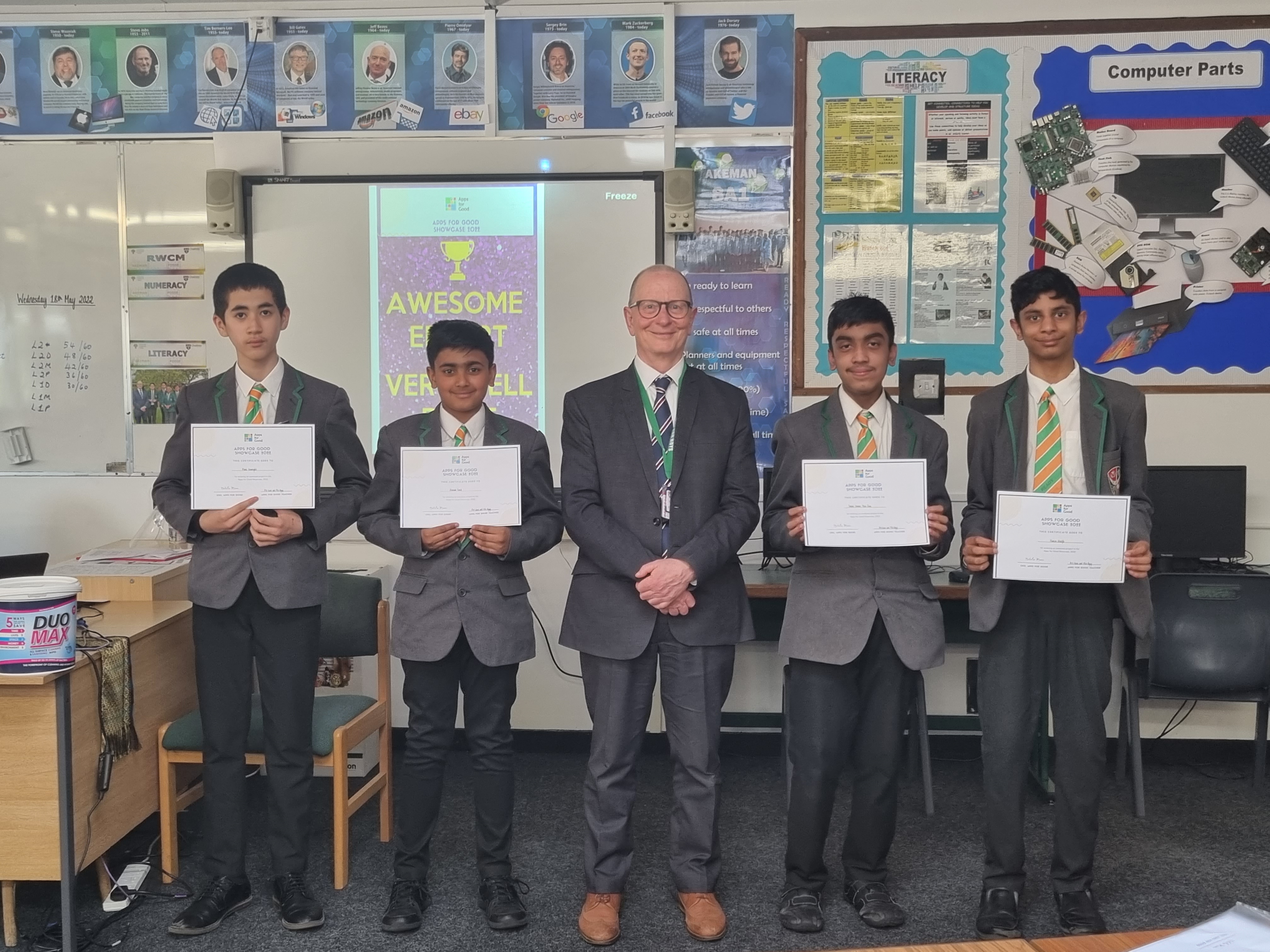
Welcoming our two new Trustees
Aug 09, 2022News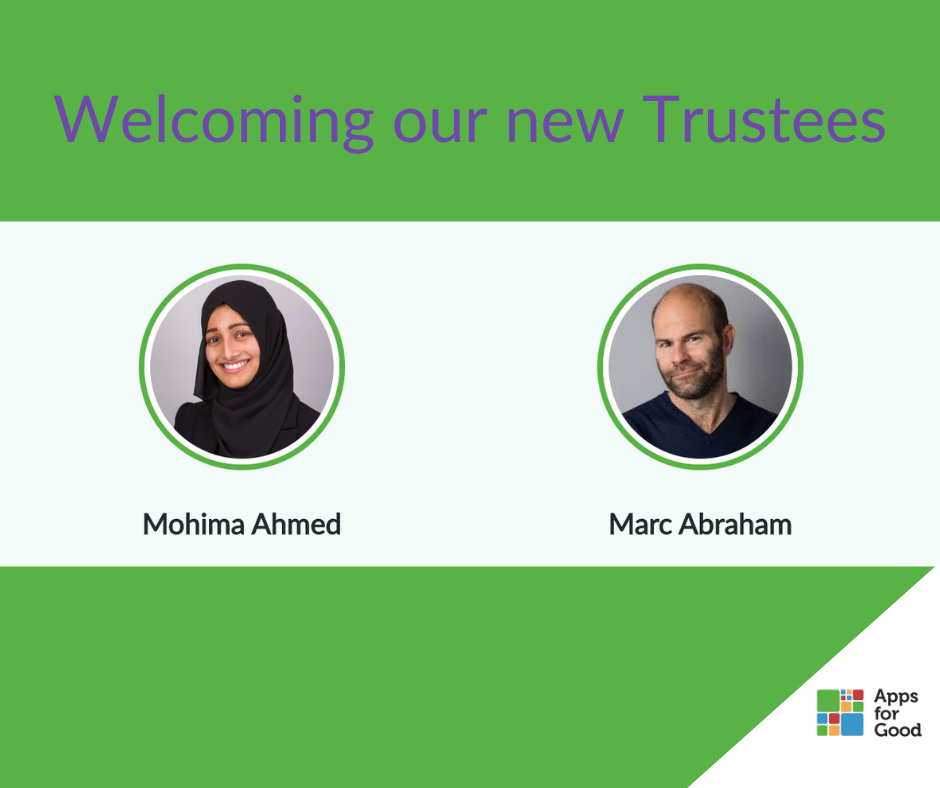
Understanding more about SEND with Stony Dean School
Jul 28, 2022Our Work
Why inclusive design is key to empowering all learners
Jul 05, 2022Our Work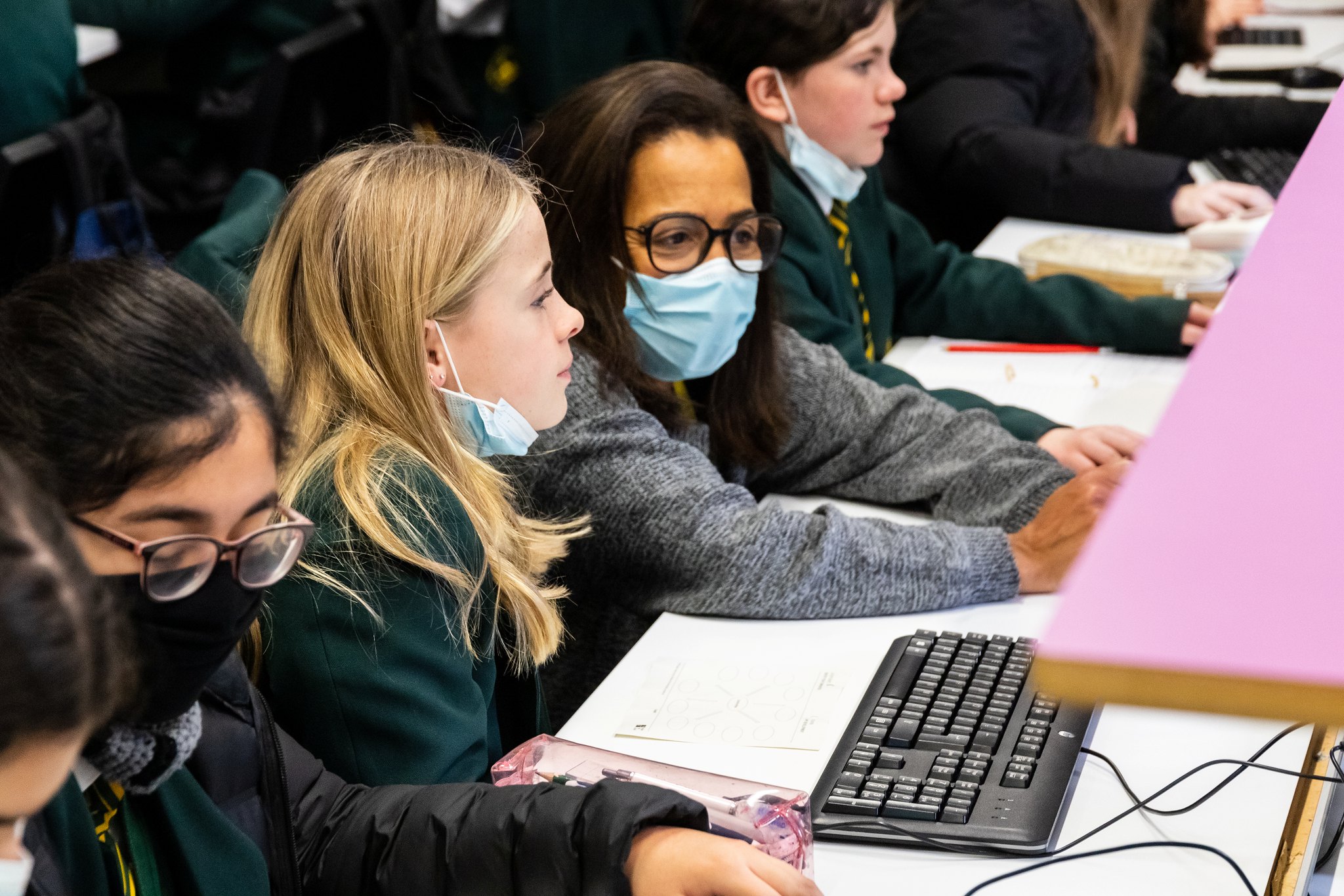
2022 Showcase - The votes are in!
Jun 22, 2022Our Work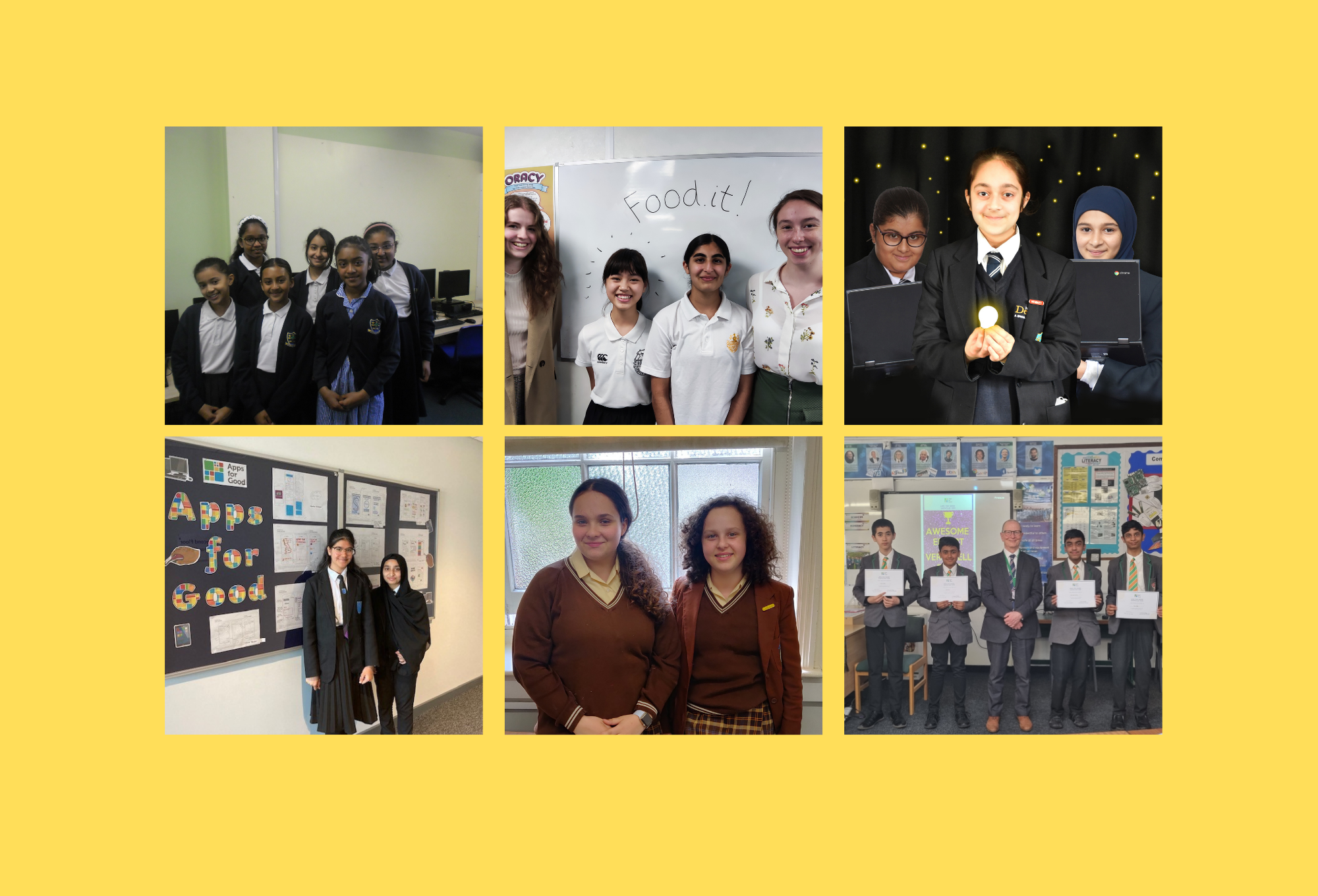
This Volunteers' Week, we hear from Nagaraj Talapady
Jun 07, 2022Our Work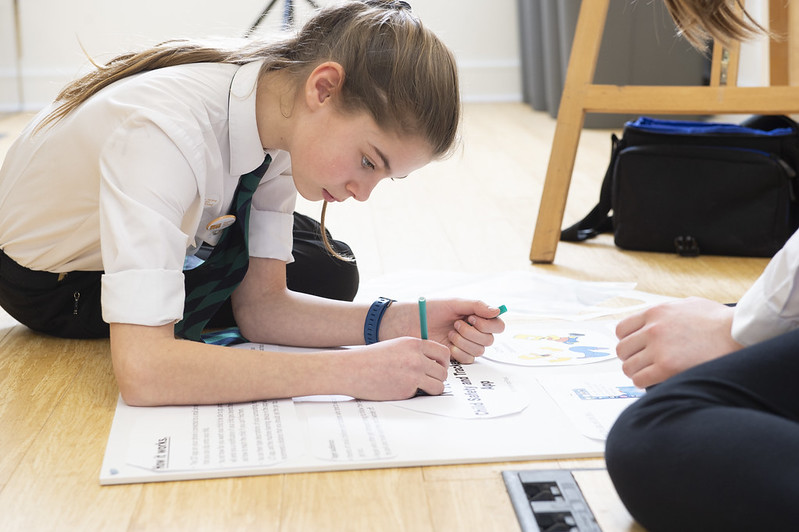
Harnessing industry approaches to learning with Innovate for Climate Change
May 25, 2022Our Work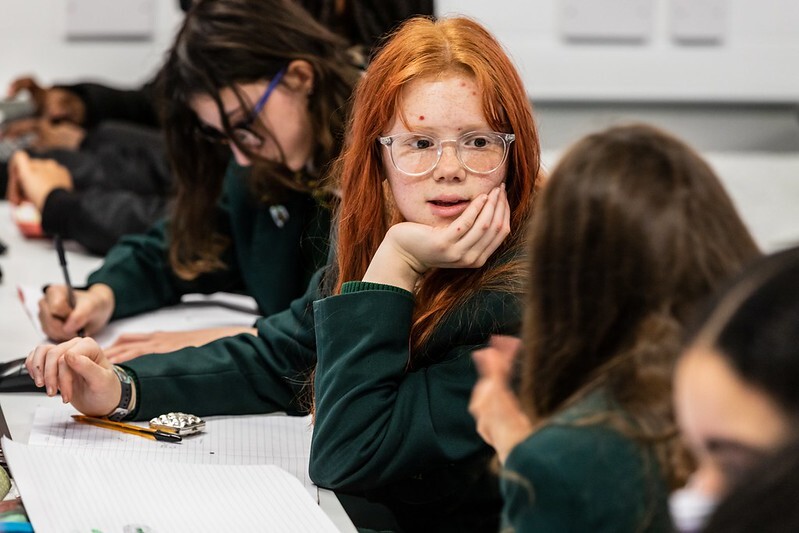
Top brands support young people with their tech innovation ideas
May 18, 2022Our Work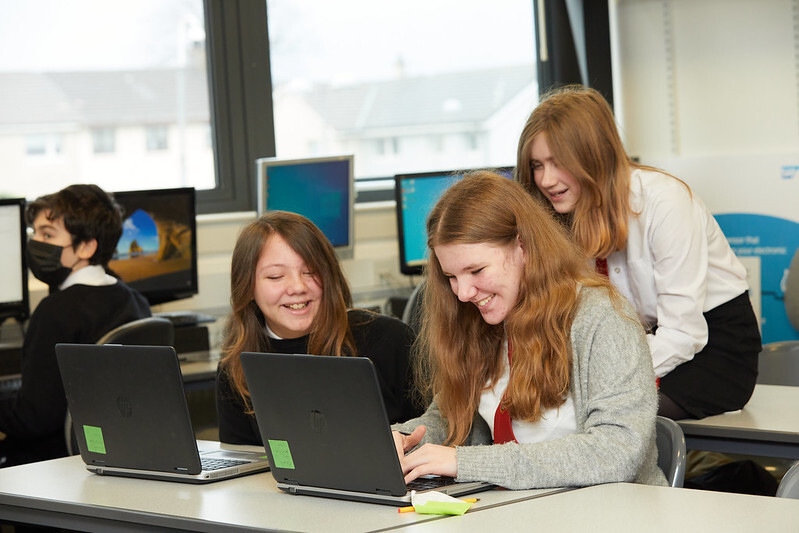
'If you think you can, you can!'
May 09, 2022Our Work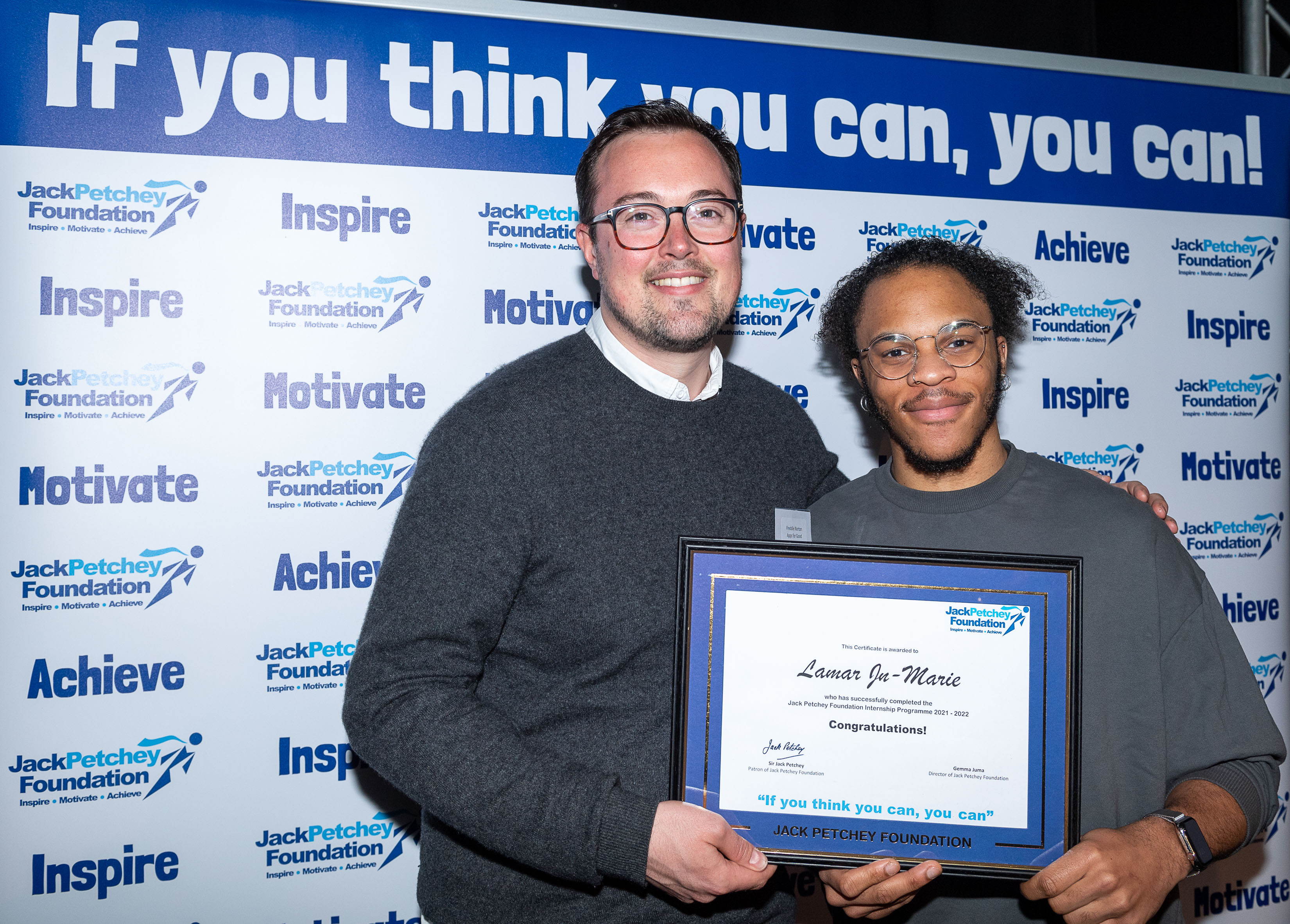
How we’re empowering a generation of climate changemakers
Apr 22, 2022Our Work
Let your mind run free
Mar 16, 2022Our Work
Engaging the Experts
Mar 02, 2022Our Work
Welcoming our new Senior Learning Manager, Emma
Jan 12, 2022News
Introducing Jess, our new Head of Communications and Marketing
Jan 06, 2022News
The value of constructive feedback
Jan 03, 2022Our Work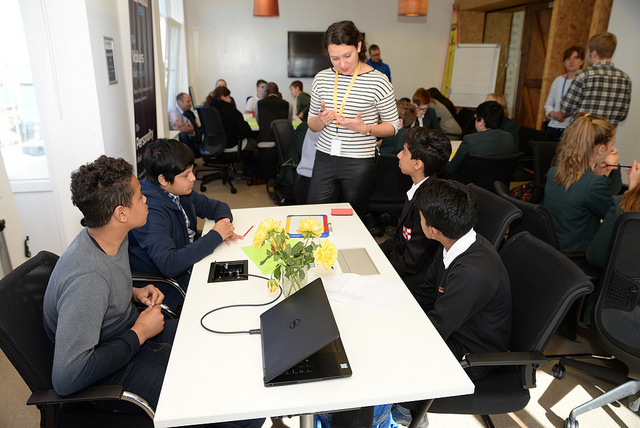
Apps for Good announce Natalie Moore as new CEO
Dec 13, 2021News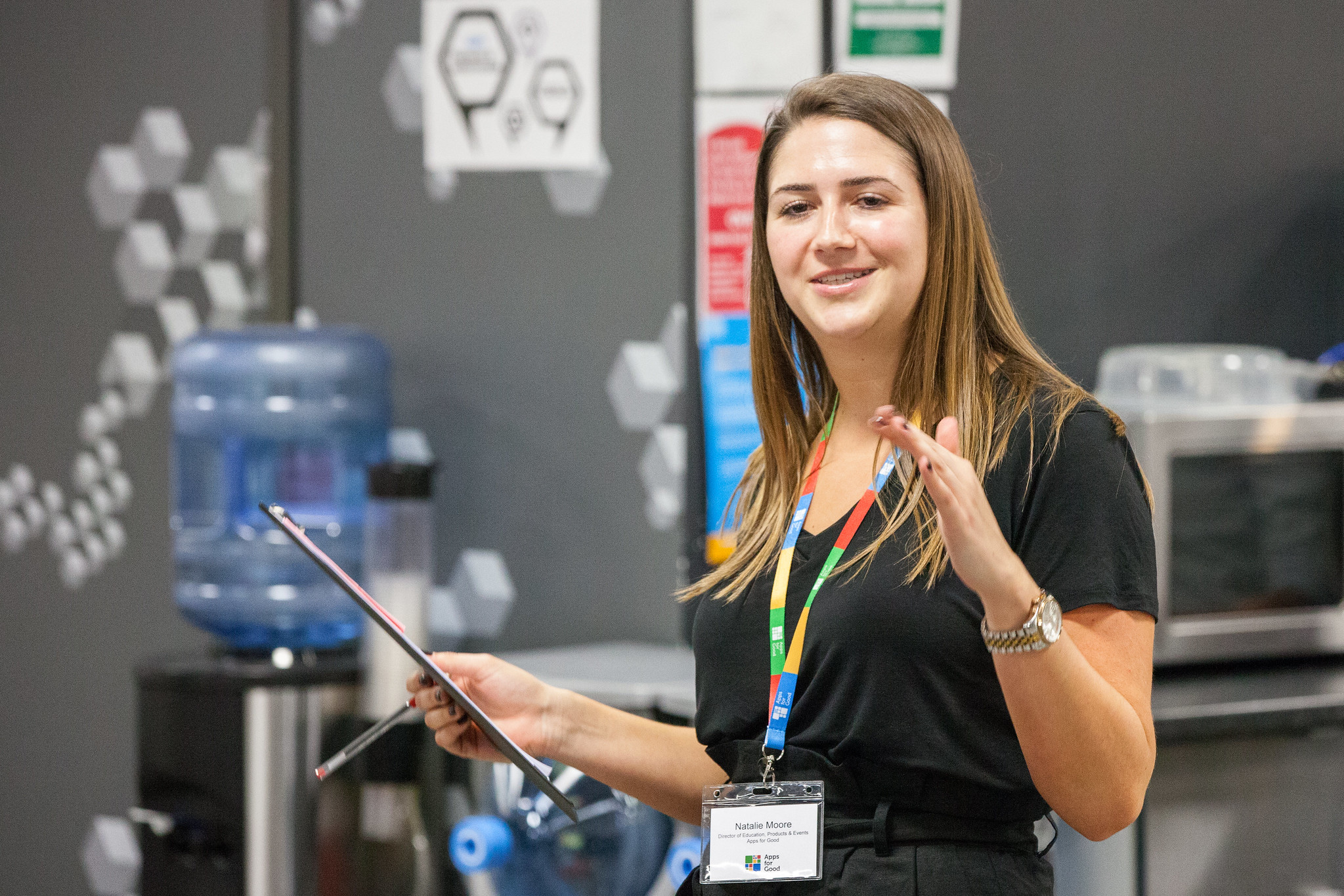
App in a Day Workshop with Deutsche Bank
Nov 18, 2021Our Work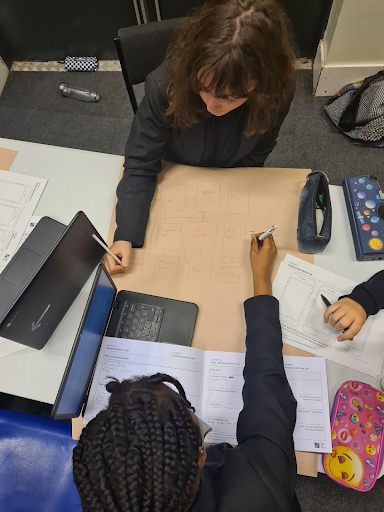
Innovate for Climate Change: COP26 Lunch & Learn
Nov 15, 2021Our Work
Apps for Good joins Pawprint as a charity partner
Nov 04, 2021News
Introducing our new Climate Action and Wellbeing Programme
Oct 20, 2021News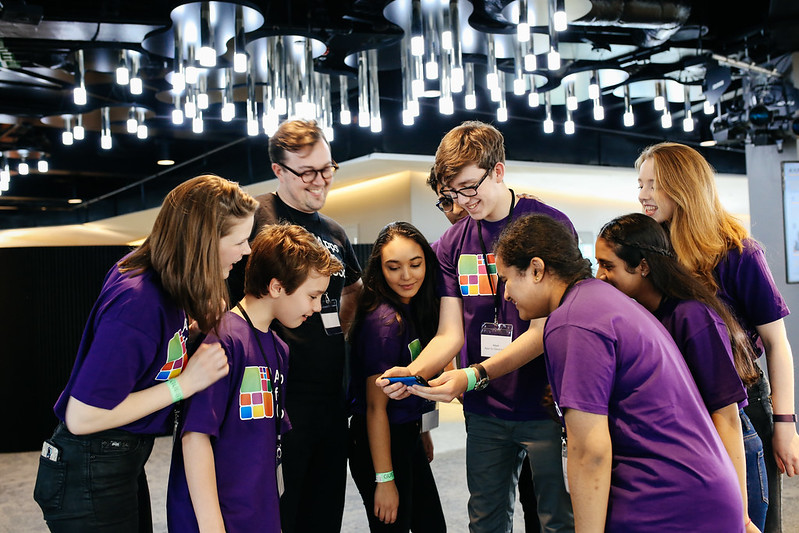
Introducing our new Education Community Manager, Jodie
Oct 15, 2021News
5 months into my internship at Apps for Good
Oct 11, 2021Our Work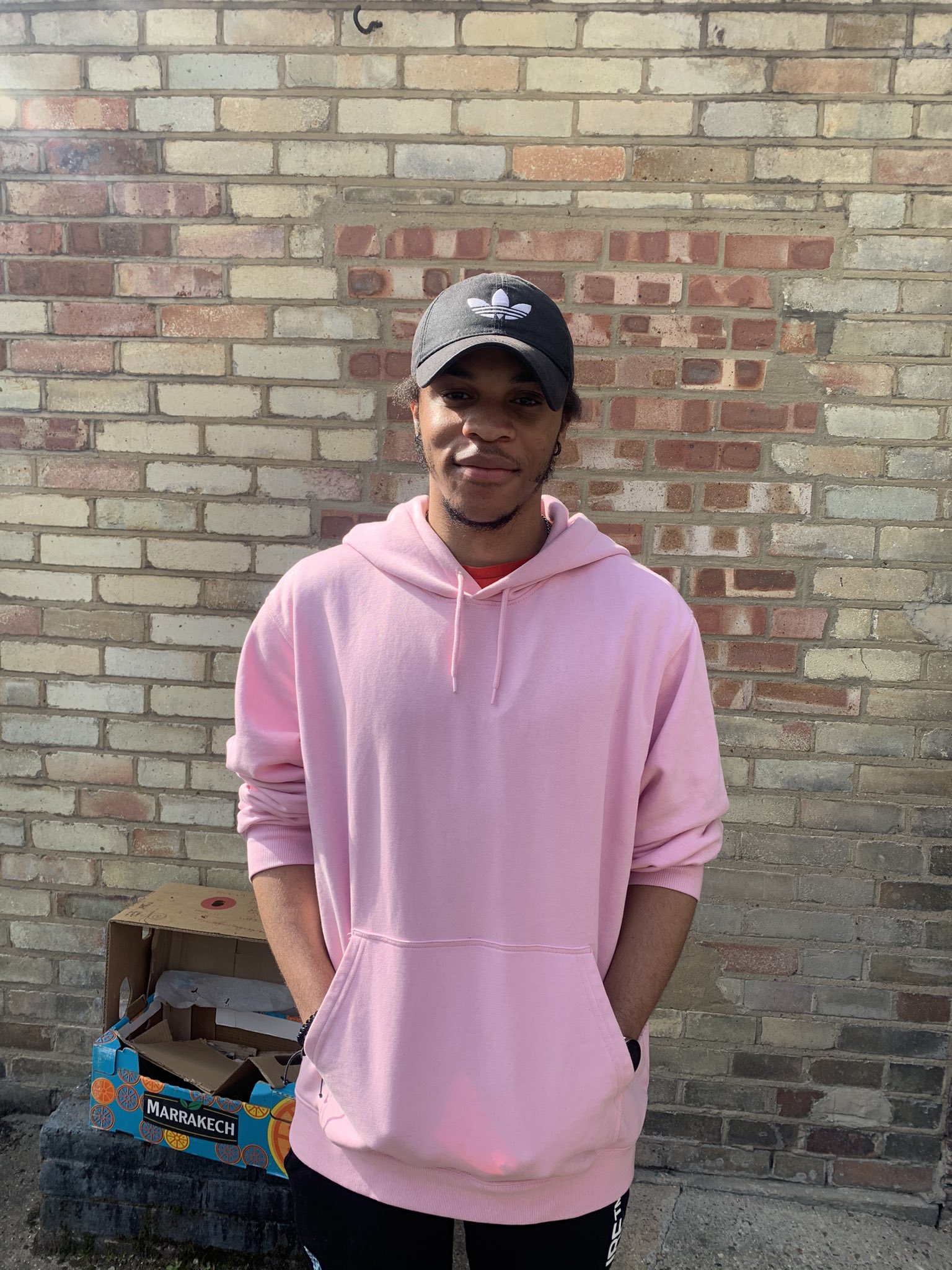
Thank you to HPE
Oct 08, 2021Our Work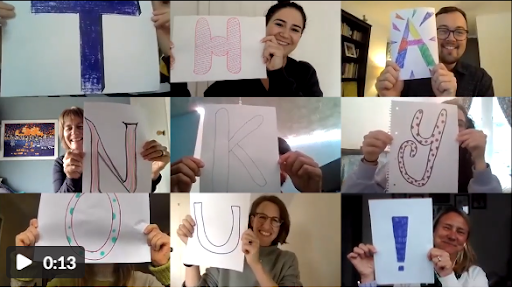
Introducing our Youth Advisory Board
Oct 05, 2021News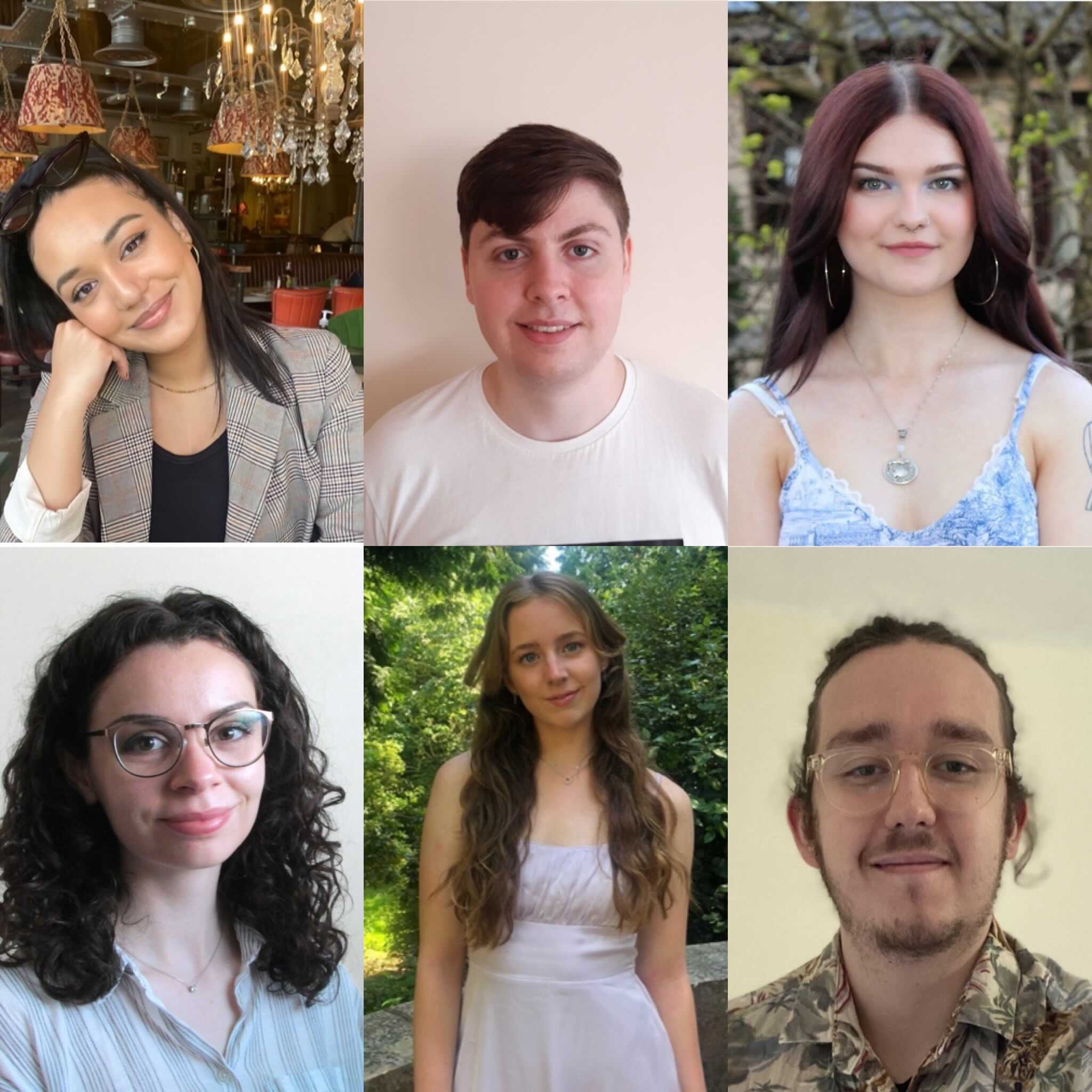
Apps for Good is looking for a new Chief Executive Officer
Sep 28, 2021News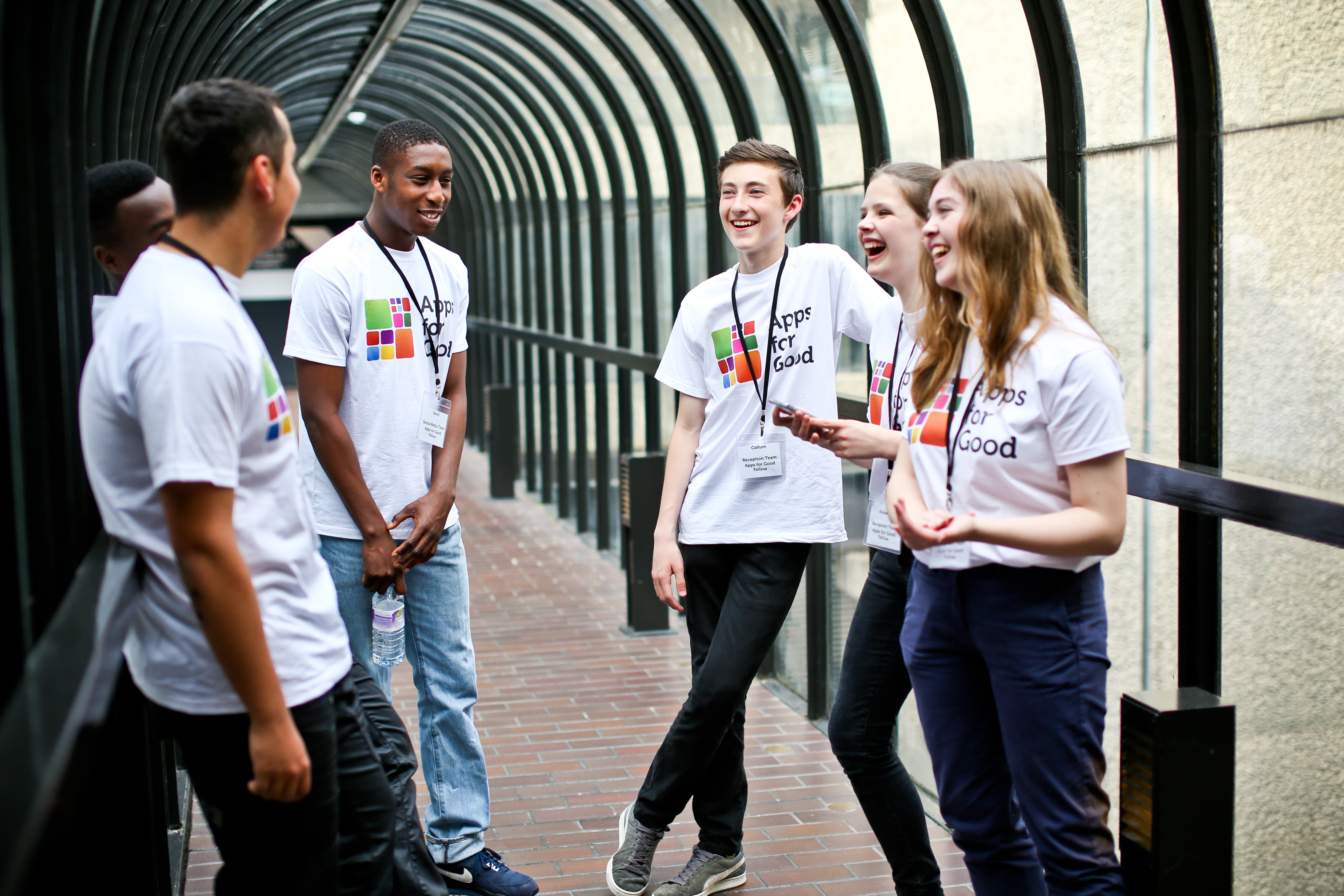
Donna Hay: Legacy of learning
Sep 24, 2021News
Apps for Good launch new course for young people with special educational needs
Sep 08, 2021News
Welcoming Georgie to the team
Aug 25, 2021News
Remote App in a Day workshop with our partner BNY Mellon
Aug 09, 2021Our Work
Welcoming Lamar to the team
Jul 21, 2021News
How Heart of Midlothian Football Club engage young people with football & tech
Jul 20, 2021Advice
Envirocache 6 years on
Jul 20, 2021Our Work
Remote workshop with our partner Deutsche Bank
Jul 09, 2021Our Work
Apps for Good Awards 2021 - The Winners
Jun 23, 2021Our Work
Apps for Good Awards 2021 - Roll of Honour
Jun 22, 2021Our Work
Work experience at Apps for Good
Jun 21, 2021Our Work
AI and the Future of Work
Jun 11, 2021Our Work
Community Heroes - All-Star Judges
Jun 11, 2021Our Work
Celebrating all Apps for Good Awards 2021 entries
Jun 08, 2021Our Work
Earth Day 2021 - A topic all our students care about
Apr 22, 2021Our Work
We join the National Centre for Computing Education as a contributing partner
Apr 20, 2021News
Finding the best ways to encourage young women to study Computer Science
Apr 19, 2021News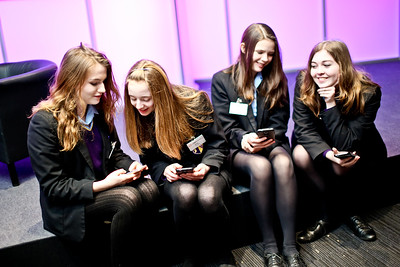
Remote workshop with King Edward VI Balaam Wood Academy and The LEGO Group
Mar 29, 2021Our Work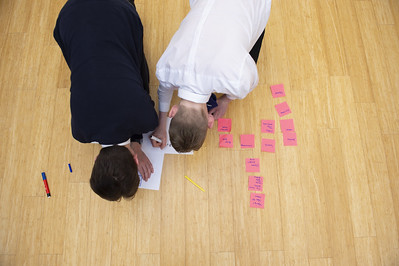
Remote workshop with Lister Community School, Newham, London and Sage
Mar 26, 2021Our Work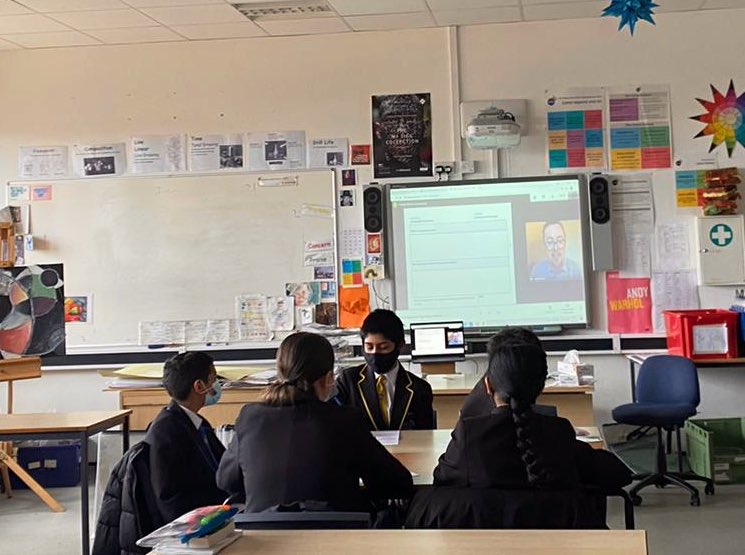
Volunteer to shortlist entries for this year’s Apps for Good Awards
Mar 19, 2021News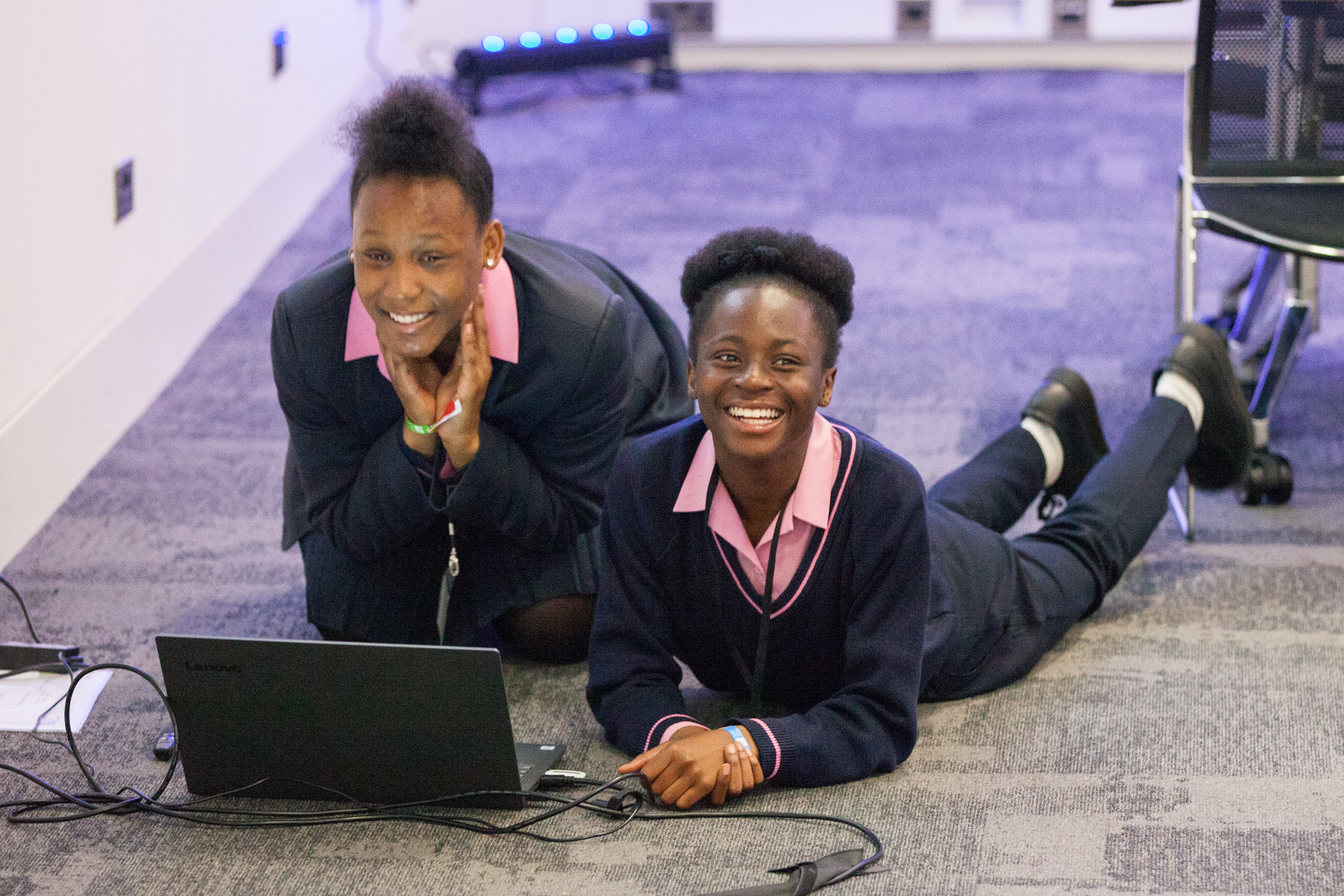
Home learning workshop with Chichester College Group and Deutsche Bank
Mar 03, 2021Our Work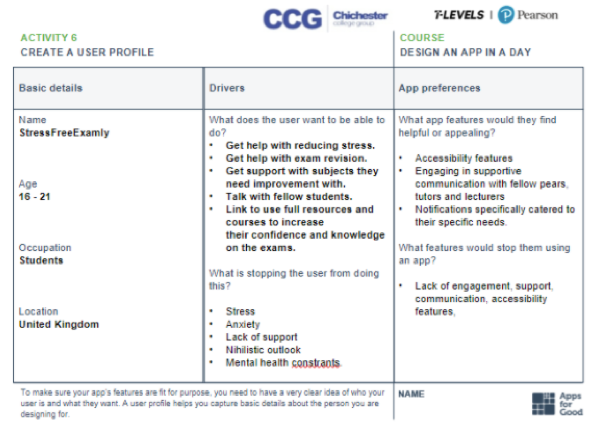
Home learning workshop with Walsall Studio School and The LEGO Group
Feb 19, 2021Our Work
Choosing the right Course
Feb 11, 2021Our Work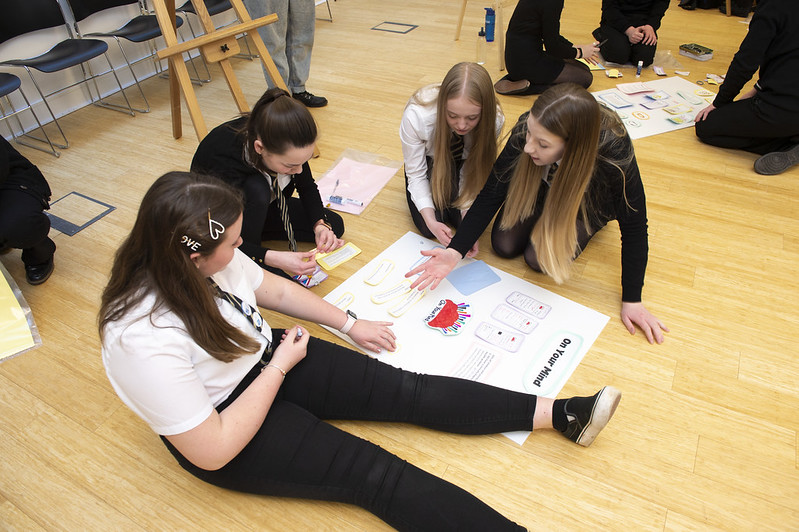
The Apps for Good Team Past & Present
Feb 04, 2021Our Work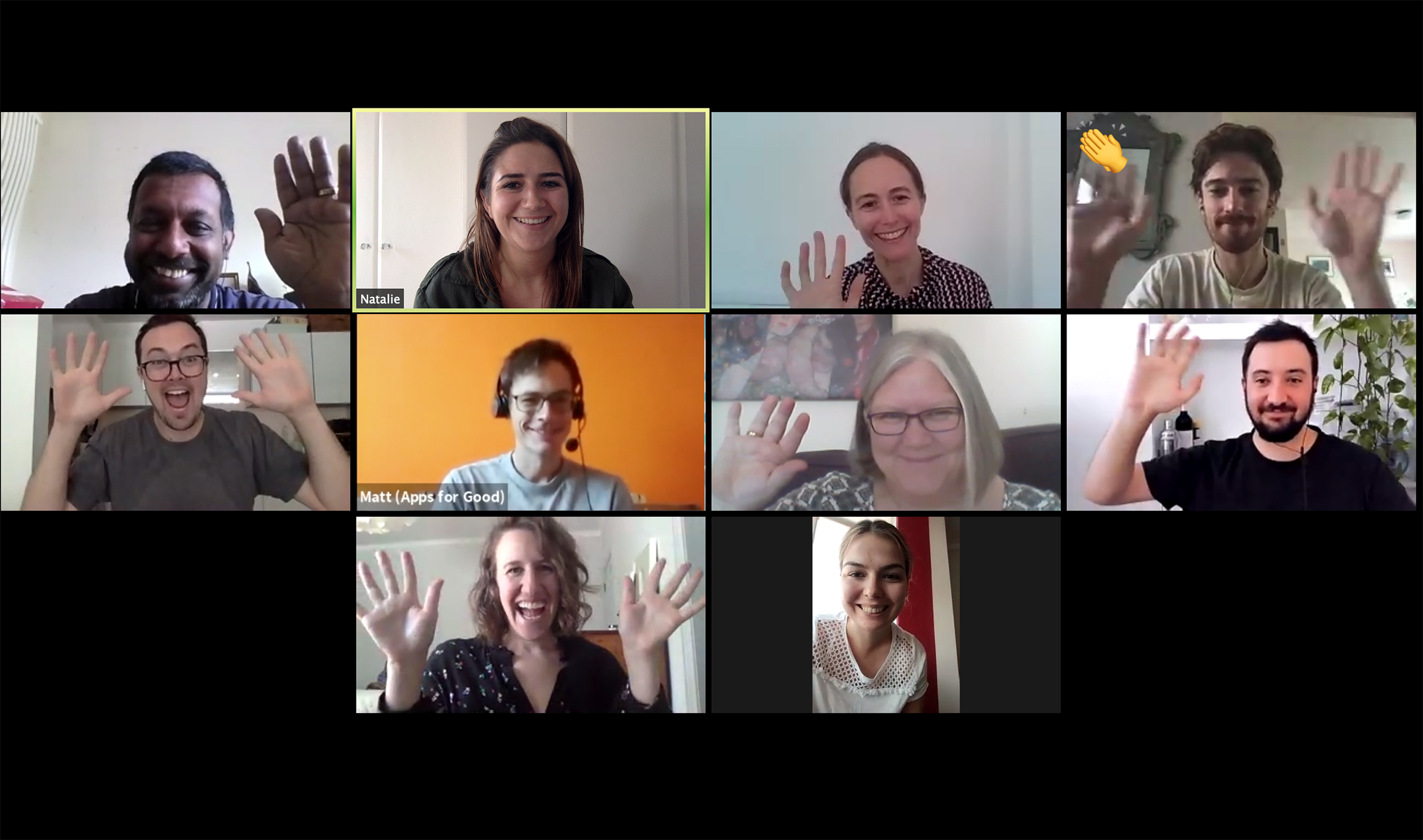
The Gatsby Benchmarks & industry interactions are now more important than ever
Feb 03, 2021Our Work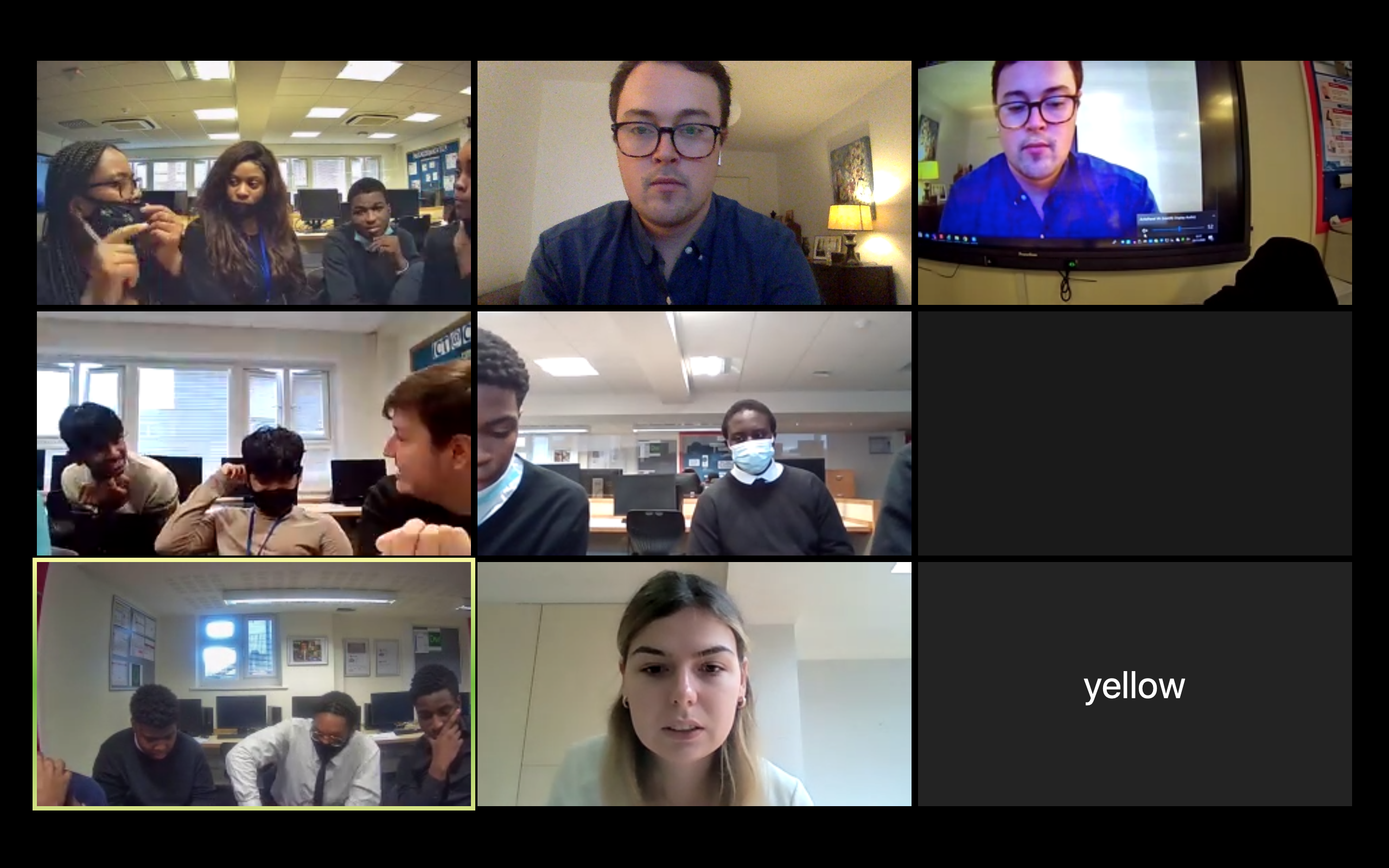
Deutsche Bank & Apps for Good - 2021 Partnership Announcement
Jan 12, 2021News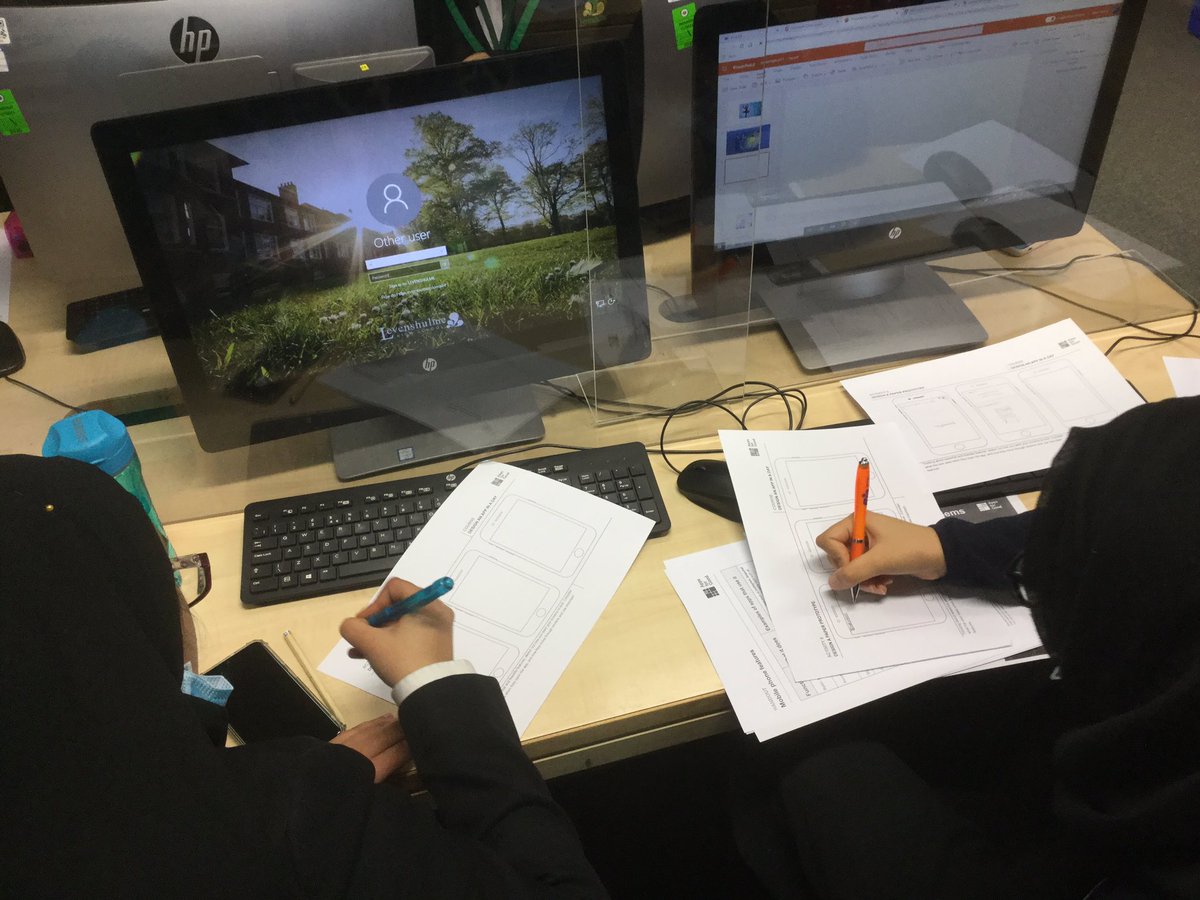
Teachers, we are here for you in 2021
Jan 08, 2021News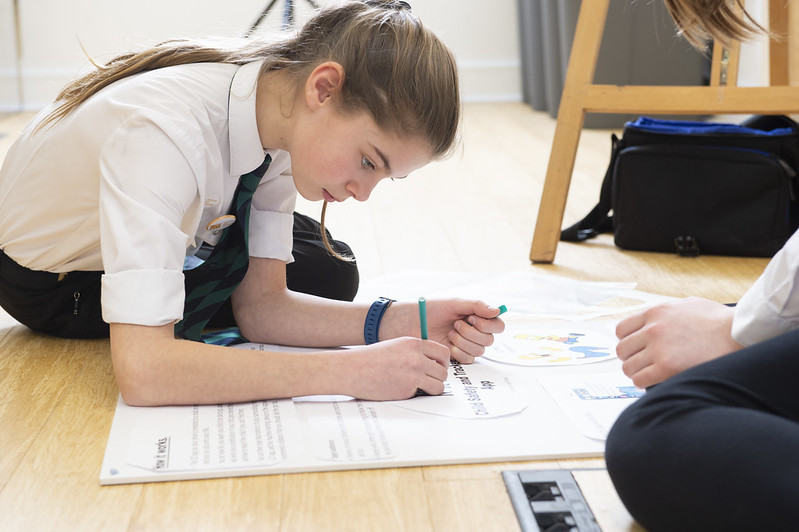
Launching new Remote Engagement in 2020
Dec 17, 2020Our Work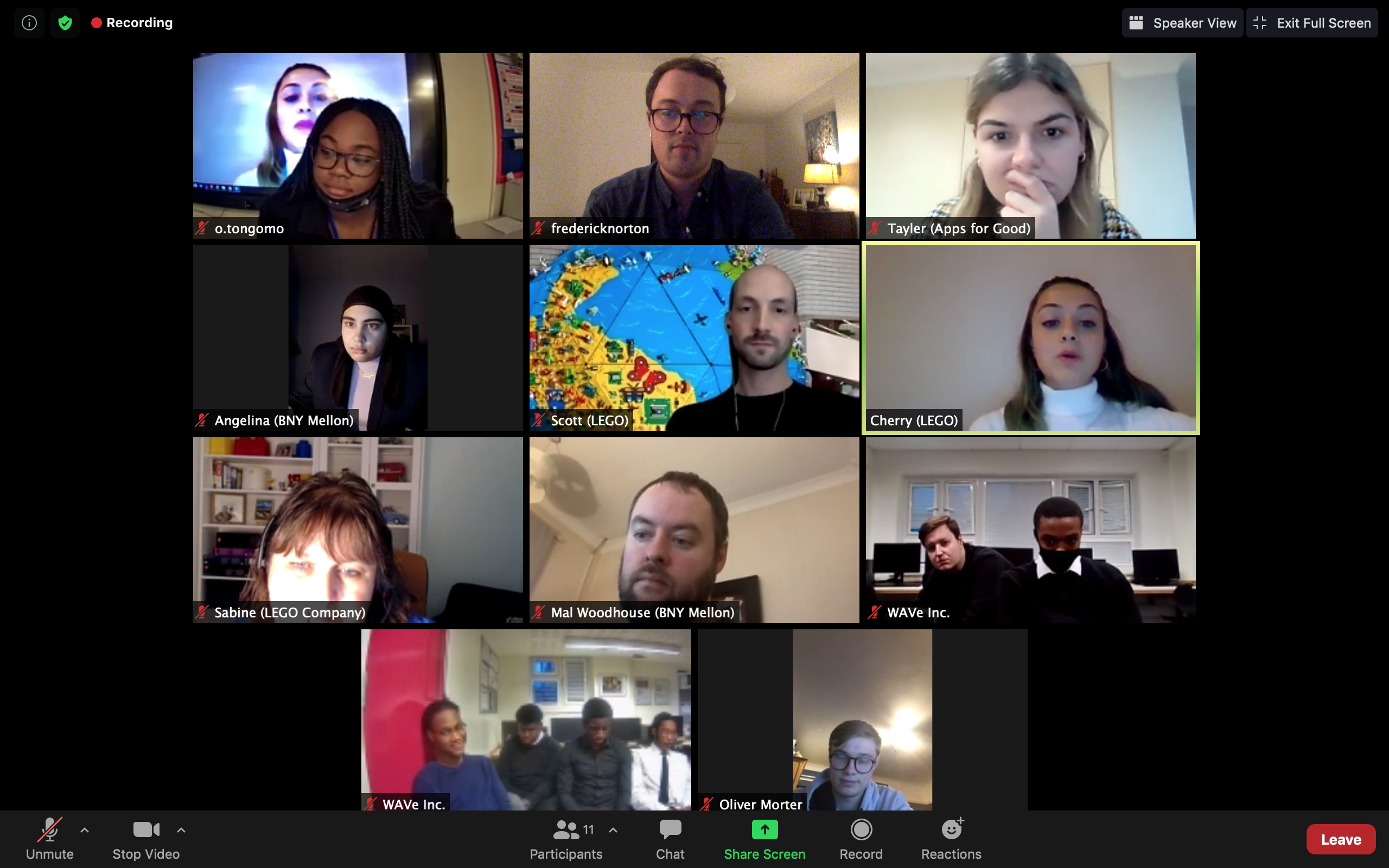
Apps for Good Impact shows there is power in diversity
Nov 25, 2020Our Work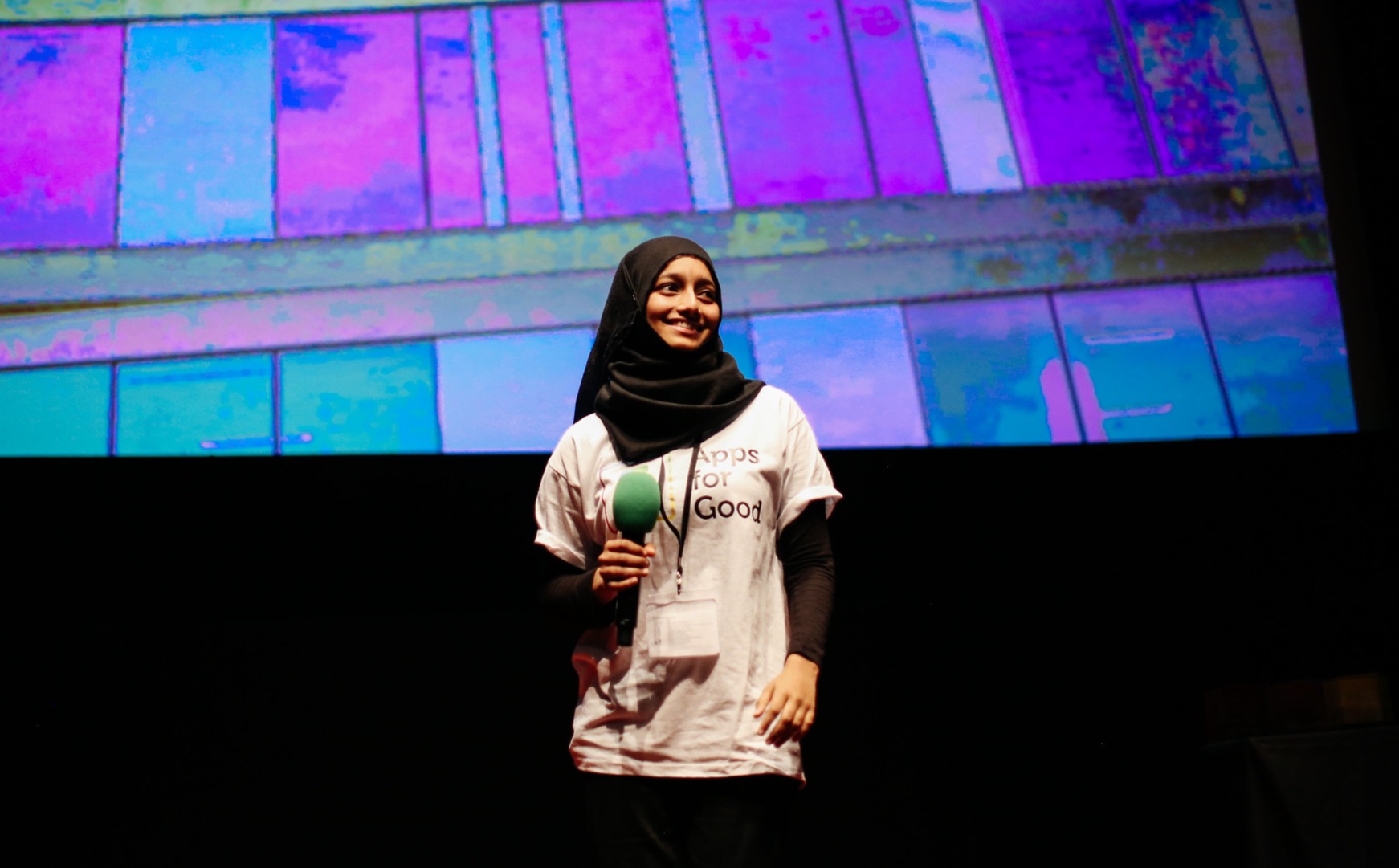
Our schools: Denbigh High School
Nov 25, 2020Our Work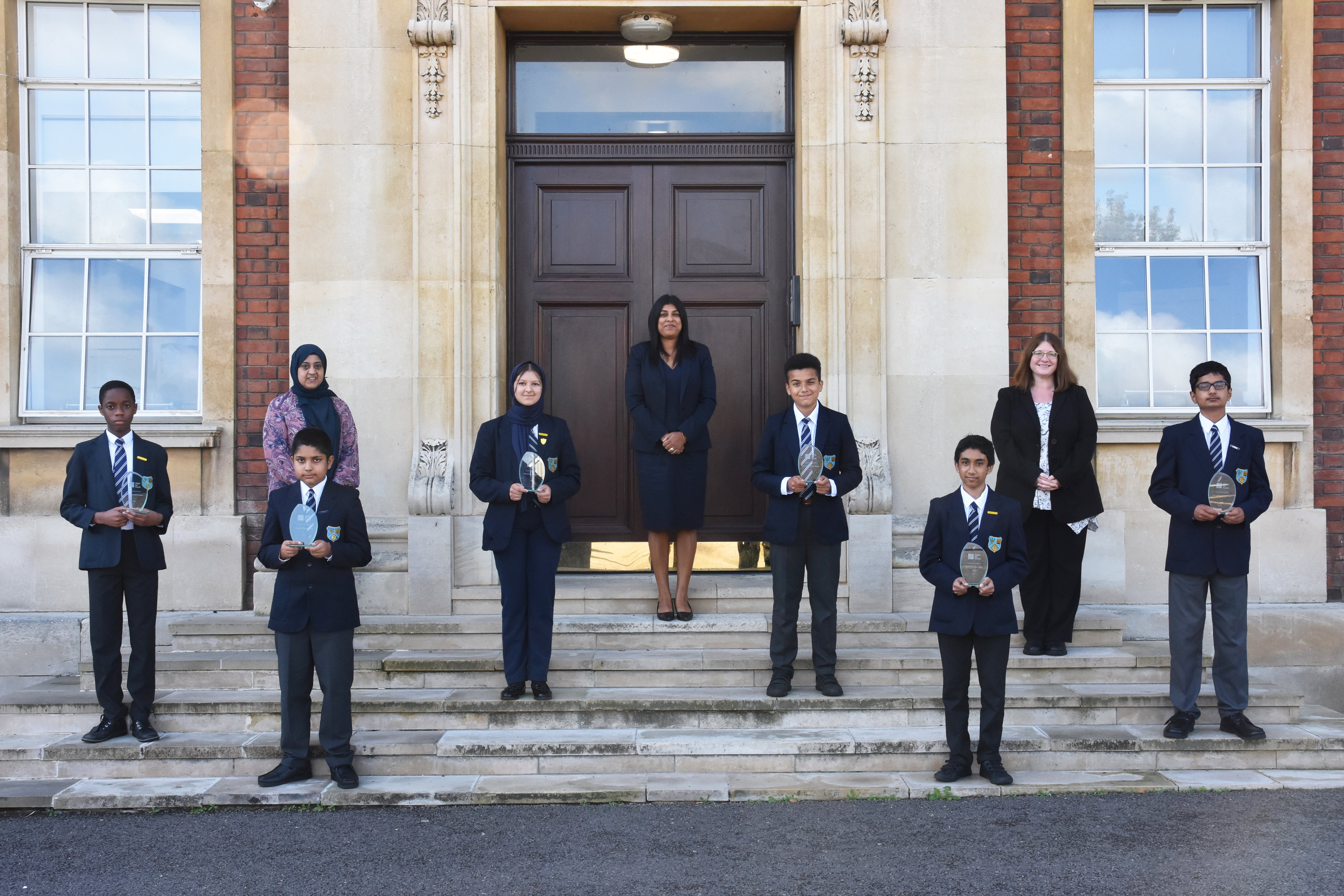
Apps for Good recognised for their spirit of exploration and adventure
Nov 17, 2020News
Tech Products for Good - Young People creating solutions to everyday problems
Nov 04, 2020Our Work
What it’s like teaching Apps for Good in Portugal
Oct 28, 2020Our Work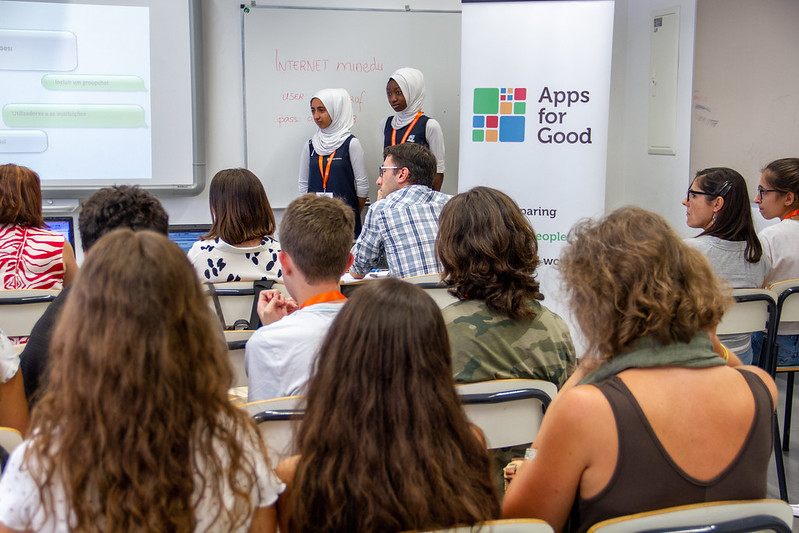
Lightbulb Trust announces support for new Expert Feedback Tool
Oct 28, 2020News
Apps for Good Portugal Recognised by UNESCO Award
Oct 28, 2020News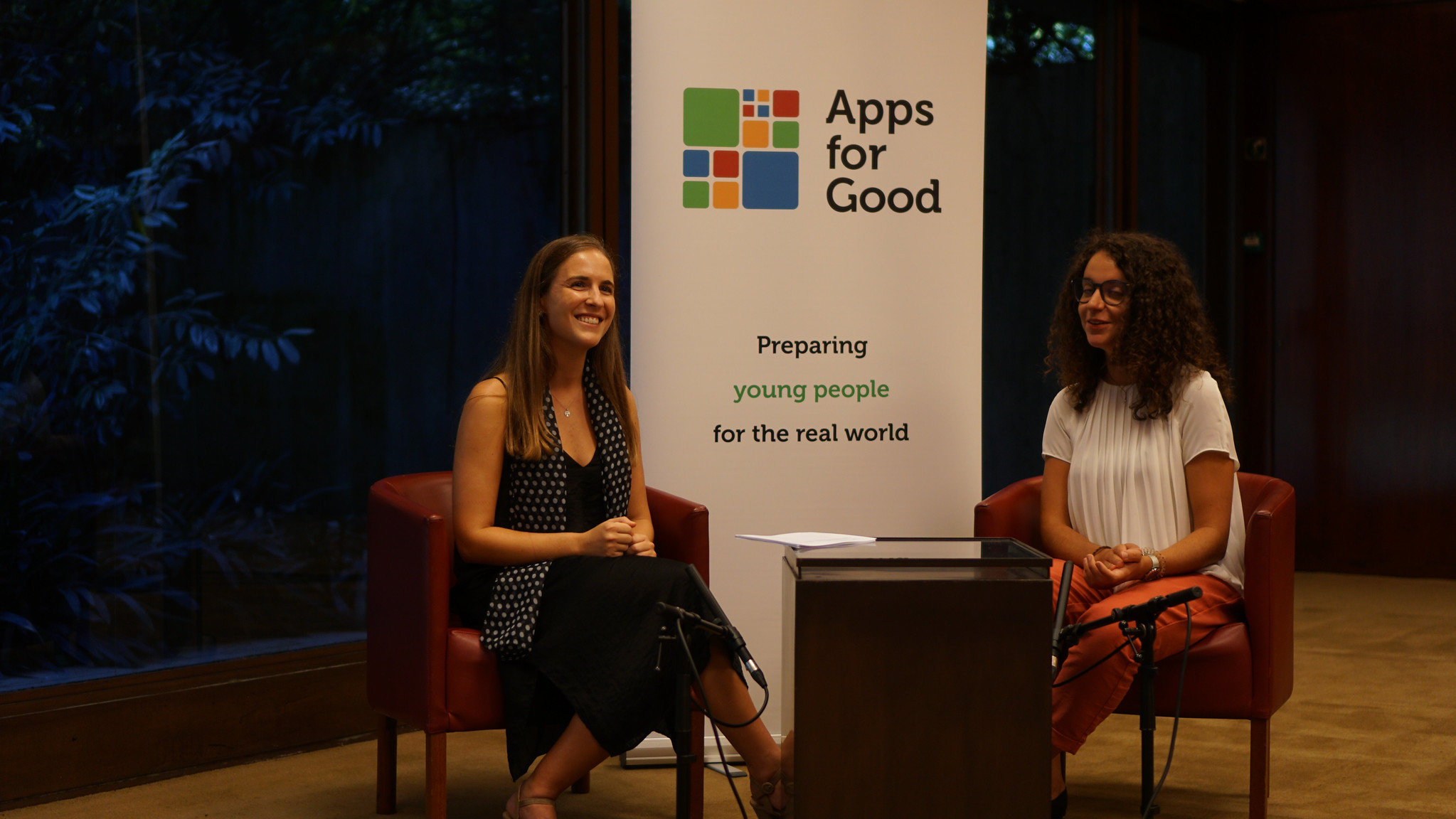
Daniel Mattioli on being an Apps for Good Expert
Oct 26, 2020Our Work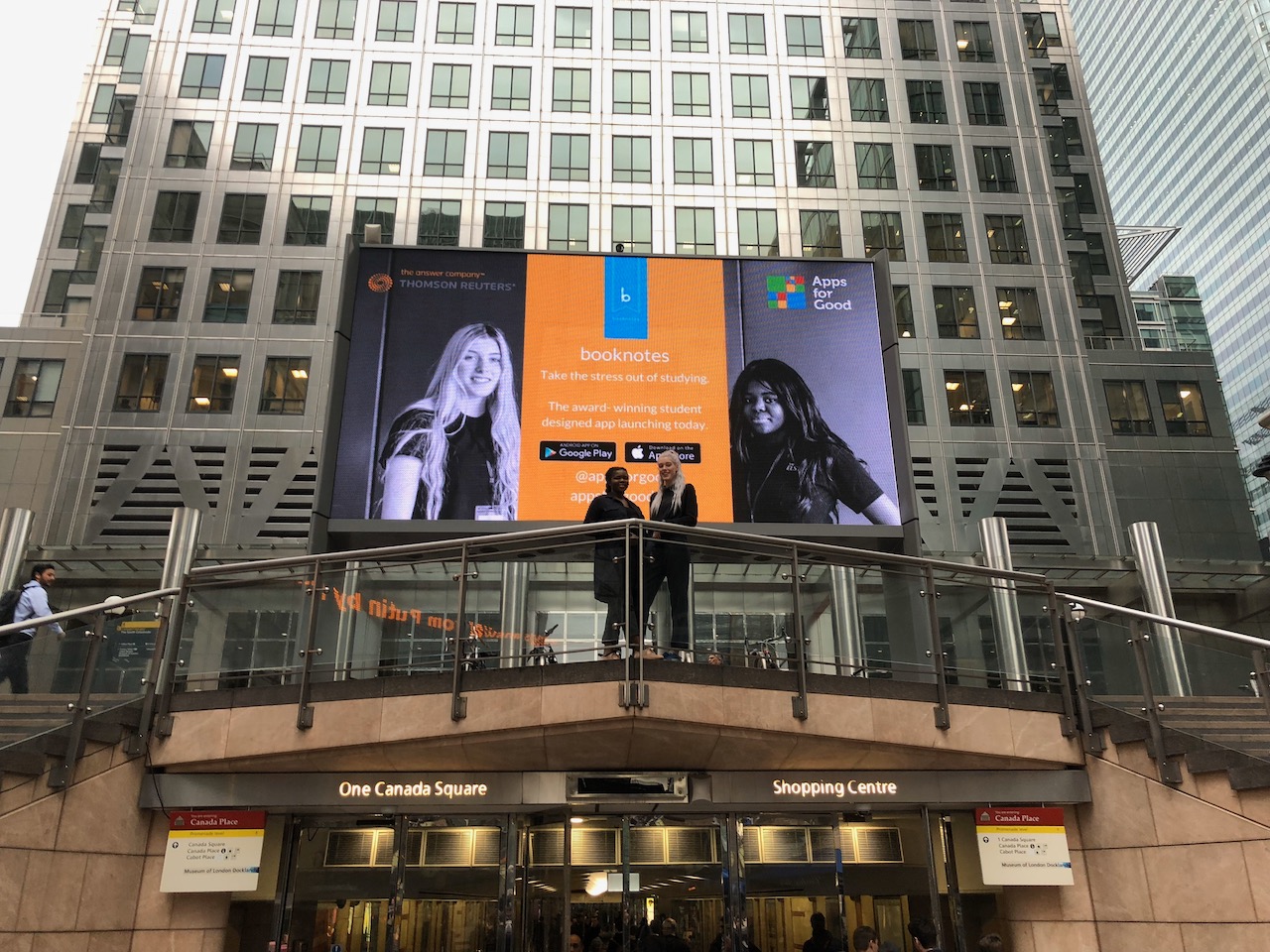
Donna Hay - From Teacher to Course Developer
Oct 14, 2020Our Work
Kraig Brown - The impact of partnering with Apps for good
Oct 14, 2020Our Work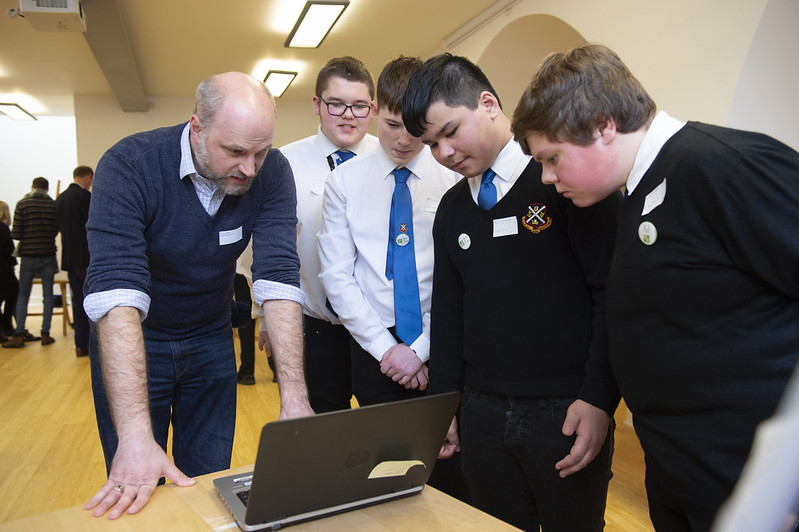
From being a student to being a teacher of Apps for Good
Oct 07, 2020Our WorkBob Schukai - A decade of being an Apps for Good Expert
Oct 07, 2020Our Work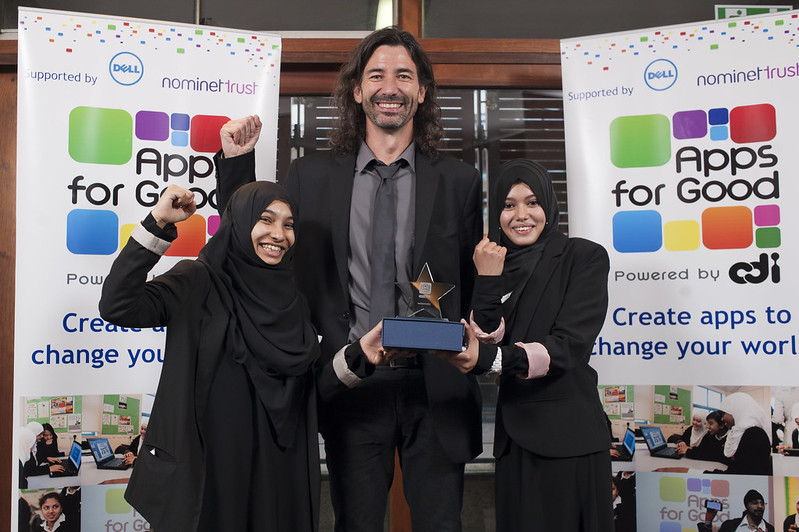
What could have been a tiny project has completely changed my life
Oct 07, 2020Our Work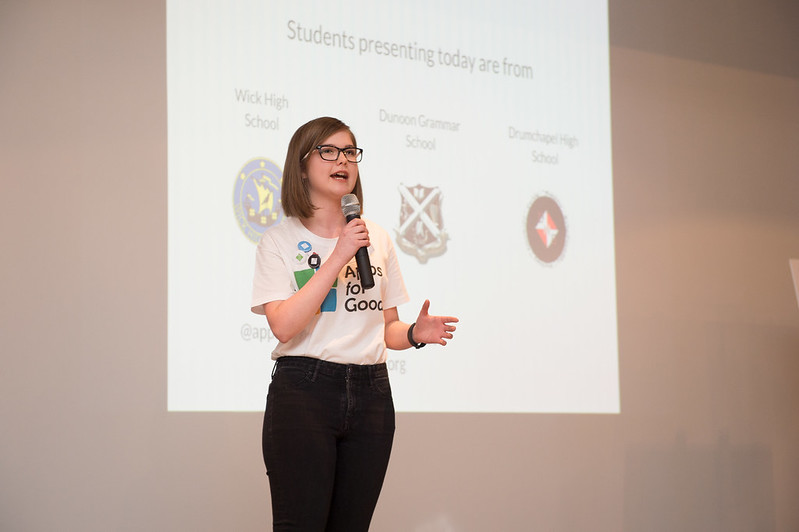
Apps for Good CEO Heather Picov on Celebrating 10 years of Apps for Good
Oct 06, 2020Our Work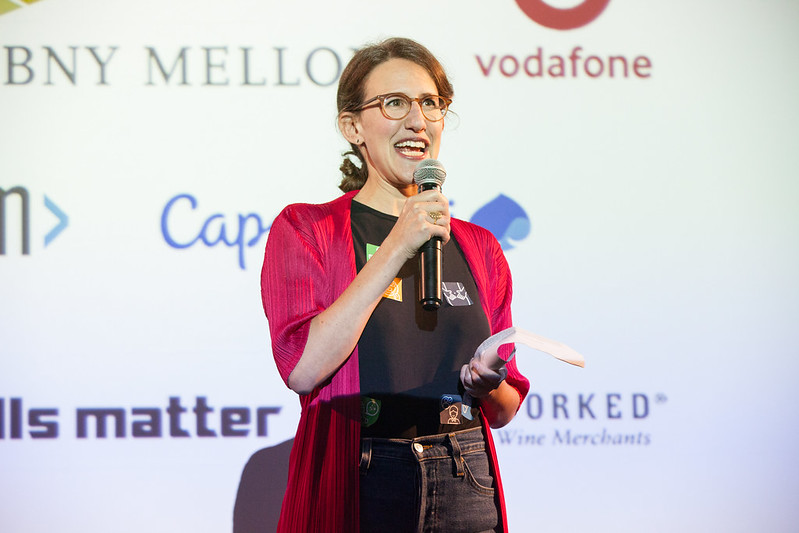
Chris Aitken - How it feels to deliver Apps for Good over seven years
Sep 29, 2020Our Work